What’s the best time to visit Jamaica? There’s no bad time, honestly — but when you visit shapes the kind of experience you’ll have just as much as where you go. Chasing dry-season beach weather is a different trip than chasing Sumfest, and both are different again from a quiet November week on the south coast.
The easy answer is December through April, because that’s the dry season. That’s true. It’s just not the whole picture. It skips the two rainy windows that aren’t actually one long soggy season, the months when the island is at its most culturally alive, and the fact that “best” depends entirely on what you’re chasing — a festival, a food season, a quiet beach, or the lowest airfare you can find. This guide goes month by month so you can see what Jamaica actually looks like whenever you’re free to go.
🌴 Quick Answer: When Is the Best Time to Visit Jamaica?
| If you want… | Go… |
|---|---|
| Best chance of consistently dry weather | January–March |
| Best balance of value + crowds | May or November |
| Lowest prices (highest weather risk) | September–October |
| Roots reggae culture | January–February |
| Carnival energy | April (dates vary annually) |
| Mango season | May–August |
| Reggae Sumfest | July |
| Independence & Emancipation energy | Late July–early August |
| The quietest version of the island | September–October |
| Christmas culture | December |
Jamaica Weather: What You Actually Need to Know
Jamaica runs on two seasons, not four — dry and rainy. But “rainy season” doesn’t tell the whole story. It isn’t one uninterrupted wet stretch from April to November. There are two distinct wetter periods, generally May–June and September–November, separated by drier stretches in between. Rain often arrives in short, heavy bursts rather than wiping out an entire day, although conditions vary considerably by parish, elevation and coast — the island stays green and dramatic rather than washed out.
Hurricane season officially runs June 1 to November 30, with the real risk concentrated in August through October. Most years pass with nothing more than heavy rain and rough surf. But the risk is real: in October 2025, Hurricane Melissa made landfall in southwestern Jamaica as a Category 5 hurricane with estimated winds of 185 mph — one of the most powerful Atlantic hurricane landfalls on record, causing catastrophic damage across the island. Storms of that scale remain rare, but the risk they represent is not hypothetical. If you’re travelling between August and October, comprehensive travel insurance covering weather disruption is one of the smartest things you can buy for the trip.
Jamaica Month by Month
January — Peak Weather, Roots Reggae & Maroon Heritage
One of the most reliable months for weather — and one of the richest culturally.
Weather: Dry season at its best — warm, sunny days, low humidity, cool evenings in the hills.
Crowds & Prices: Peak season. Flights and hotels are priced accordingly, especially around New Year’s.
What’s Happening: Rebel Salute in St. Ann — a sober, roots-reggae festival founded by Tony Rebel, with a warm, communal atmosphere unlike anything else on the festival calendar. And on January 6th, the Accompong Maroon Festival in St. Elizabeth’s Cockpit Country commemorates the 1738 peace treaty between the British and the Maroons — a living tradition, not a tourist spectacle.
Food: Ackee season is underway (January–March), making this an excellent time to seek out ackee and saltfish made with fresh local ackee.
Best For: Winter-escape travellers, first-timers wanting reliable weather, and anyone serious about roots reggae.
The Trade-Off: It’s the priciest window of the year — book well ahead, particularly if Rebel Salute or Accompong is the draw.
February — Reggae Month in Kingston
Reggae takes centre stage in February, especially in Kingston.
Weather: Still deep in dry season — warm and consistent.
Crowds & Prices: Peak season continues; Kingston sees an extra surge around February 6th.
What’s Happening: February is officially Reggae Month — concerts, tributes, exhibitions, and lectures island-wide, centred on Bob Marley’s birthday on February 6th, when the Bob Marley Museum draws fans from across the globe.
Food: Ackee season continues.
Best For: Music lovers, and anyone tempted to skip Kingston — the capital is worth building a few days around this month.
The Trade-Off: Kingston accommodation tightens noticeably around the Marley birthday celebrations.
March — Dry Weather Without Quite as Much Rush
Still reliably dry, with the winter crowds starting to thin toward month’s end.
Weather: Dry season holds — one of the most dependable stretches of beach weather all year.
Crowds & Prices: Peak season is winding down, though pricing depends on where Easter falls that year.
What’s Happening: March isn’t defined by one major national event, which makes it especially good for an itinerary built around Jamaica itself rather than a festival — Blue Mountains hikes, waterfalls before the heavier rains arrive, South Coast exploring, and parish-hopping road trips all suit this month well.
Food: Ackee season closes out its first window.
Best For: Beach-and-weather travellers who want dry-season conditions without the absolute peak-season crush.
The Trade-Off: Easter’s date shifts every year, and Carnival season builds around it — check the calendar before assuming March is quiet.
April — Carnival Takes Over Kingston
Colour, soca, and road marches — Jamaica Carnival is loud, joyful, and impossible to ignore, usually in April but sometimes as early as March.
Weather: Transitioning out of dry season; showers start becoming more frequent by month’s end.
Crowds & Prices: Carnival season pulls heavy demand into Kingston regardless of the broader shoulder-season pricing elsewhere.
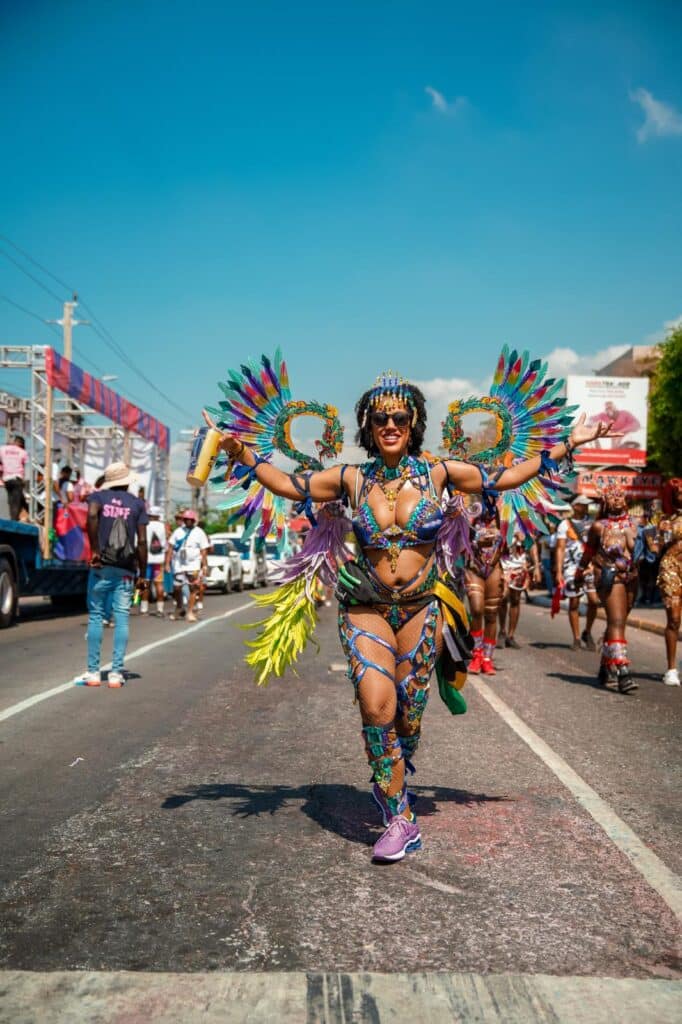
What’s Happening: Jamaica Carnival — usually April, though it can shift into March depending on when Easter falls that year. The season builds through fetes and band launches before culminating in the Kingston Road March. Easter weekend in Ocho Rios also draws its own dedicated party crowd, a fixture on the north coast entertainment calendar.
Food: Ackee’s first peak season is winding down, with mango season just around the corner.
Best For: Carnival-goers and first-timers who want to be overwhelmed in the best possible way.
The Trade-Off: If you want to play mas, register with a band months in advance — the best sell out early, and Kingston accommodation fills fast.
May — One of Jamaica’s Most Underrated Months
This might be the single best value month on the island, and it rarely gets the credit.
Weather: Dry season is winding down and the first wetter period is beginning, but that doesn’t automatically mean all-day rain — expect more frequent afternoon showers, not necessarily heavier ones.
Crowds & Prices: Genuine shoulder season — winter crowds have thinned, and summer pricing hasn’t kicked in yet.
What’s Happening: A quieter month on the festival calendar, which is part of the appeal — more room to explore without competing against a headline event.
Food: Mango season begins. Roadside stands start appearing everywhere.
Best For: Value-conscious travellers and anyone who wants a lush, green, uncrowded version of the island.
The Trade-Off: It’s technically inside the first wetter window — you’re entering one of Jamaica’s wetter periods, so leave some flexibility in outdoor plans.
June — Summer Starts, Jamaica Gets Greener
The island turns a deeper green as the first wetter window continues.
Weather: Afternoon showers are more frequent, and hurricane season officially opens June 1st, though real risk builds later in the summer.
Crowds & Prices: Transitioning toward the summer peak; prices begin climbing from North America and Europe.
What’s Happening: A quieter month on the events calendar — a good stretch for exploring at your own pace before summer’s headline events take over.
Food: Mango season is in full swing, and breadfruit season begins (June–October).
Best For: Travellers who prioritize lush scenery and fewer crowds over guaranteed dry days.
The Trade-Off: This is one of the wetter stretches of the year, so build some flexibility into outdoor plans.
July — Music, Mangoes and Sumfest
For Sumfest week, Montego Bay becomes the centre of Jamaica’s reggae and dancehall calendar.
Weather: Summer weather — warm with periodic showers.
Crowds & Prices: Summer peak begins; Montego Bay fills up specifically for Sumfest week.
What’s Happening: Reggae Sumfest, Jamaica’s flagship reggae and dancehall festival, draws the biggest names in the genre for multiple nights of performances that have launched careers for over three decades.
Food: Mango and breadfruit season both in full abundance.
Best For: Music festival travellers building a trip around one headline event.
The Trade-Off: Book Montego Bay accommodation early — Sumfest week fills the city fast. If MoBay options run out, expand your search early rather than assuming somewhere farther away will be equally convenient for late-night events.
August — Jamaica Celebrates Jamaica
One of the most nationally significant and emotionally charged months of the year — and if you’re diaspora, this is often when home calls loudest.
Weather: Peak of hurricane season approaches; still warm with tropical showers.
Crowds & Prices: Summer peak in full swing, with the diaspora returning home in large numbers.
What’s Happening: August 1st (Emancipation Day) and August 6th (Independence Day) anchor a national civic and cultural moment — Grand Gala at the National Stadium brings performances and pageantry celebrating Jamaica’s identity, alongside the long-running Festival Song Competition. Around the same window, Negril and Ocho Rios run major party series that draw huge crowds.
Food: Mango and breadfruit remain abundant.
Best For: Diaspora homecoming, national pride, and anyone who wants Jamaica at its most celebratory.
The Trade-Off: If you want a quiet week in Negril or Ocho Rios, this isn’t it — and travel insurance covering weather disruption is worth having as hurricane risk builds toward its peak.
September — Quiet Jamaica, With a Weather Gamble
The island’s true low season — fewer crowds, better rates, and a slower pace.
Weather: Peak hurricane risk and the start of the second wetter window (September–November).
Crowds & Prices: The lowest prices of the year, with visitor numbers noticeably down.
What’s Happening: A quieter cultural calendar overall — more community-level than headline-festival, which suits a slower, more local-style trip. This is a good month to slow down: smaller towns, community attractions, local food stops, and destinations where the experience doesn’t depend on a packed event calendar.
Food: Breadfruit season continues.
Best For: Flexible, budget-conscious travellers comfortable adapting around weather.
The Trade-Off: Travel insurance covering weather disruption matters most here — this is the highest-risk stretch of the year for storms.
October — Heroes Weekend & Low-Season Value
Still low season, still a genuine weather gamble, but with a real reason to be on the island.
Weather: Hurricane risk lingers into early October; the second wetter window continues.
Crowds & Prices: Low-season pricing holds, and popular sites feel genuinely uncrowded.
What’s Happening: National Heroes Day falls on the third Monday of October every year and has grown into a real party weekend, with Kingston especially lively and Ocho Rios and other parishes joining in.
Food: Breadfruit season winds down toward the end of the month. October also sits well within Jamaica’s spiny lobster open season, which runs from July through March each year (the annual closed season is April 1–June 30) — south coast spots like Treasure Beach and Black River are known for it.
Best For: Travellers chasing island buzz on a low-season budget.
The Trade-Off: Weather risk is real through early October — flexibility and insurance still matter.
November — The Sweet Spot Before Christmas
The year’s other underrated shoulder-season window — where May leans lush and mango-driven, November leans calm and pre-Christmas.
Weather: Rains ease as the second wetter window tapers off; hurricane season officially ends November 30th.
Crowds & Prices: Rates are still competitive, and the Christmas surge hasn’t started yet.
What’s Happening: A quiet run-up month — Christmas preparations begin behind the scenes, but the island itself is calm.
Food: Sorrel season begins, timed for the Christmas brewing tradition ahead.
Best For: Travellers who want good weather and good value without December’s price spike.
The Trade-Off: Book before the Christmas rush kicks in — rates start climbing fast once December hits.
December — Christmas in Jamaica
A season unto itself, and one of the most culturally distinctive times to be on the island — deeply underappreciated by international visitors.
Weather: Dry season returns — warm, sunny, and reliable.
Crowds & Prices: One of the most expensive periods of the year. Diaspora families return home in force, and accommodation fills early.
What’s Happening: Grand Market fills town squares with vendors, music, and food on Christmas Eve. Churches overflow Christmas morning. The party calendar runs virtually every night from December through New Year’s, with Kingston’s entertainment scene at full tilt.
Food: Fresh sorrel and gungo peas rice and peas — a different dish entirely from the kidney-bean version served year-round — alongside curry goat and Christmas cake.
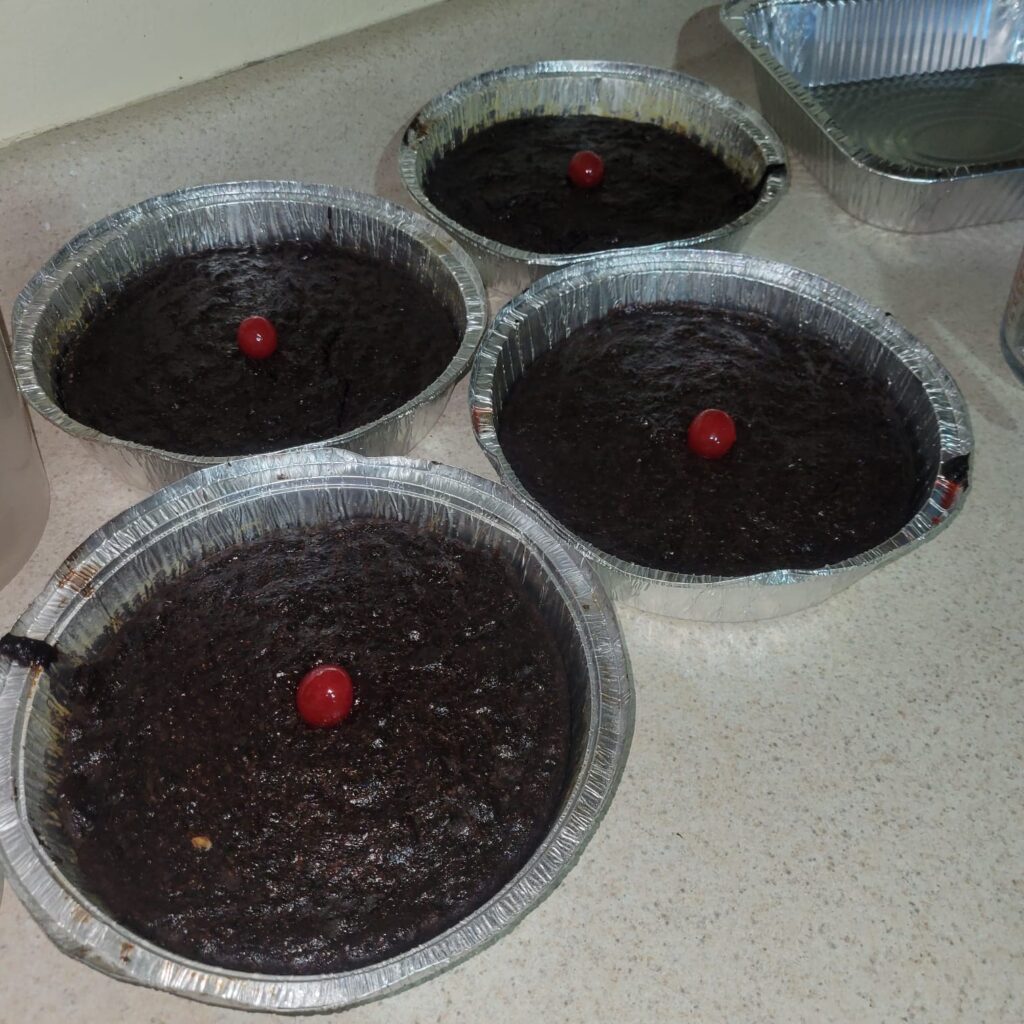
Best For: Anyone who wants to experience Jamaica in its most local, most joyful register — and especially diaspora coming home for the season.
The Trade-Off: Book far ahead. This is peak demand from both international visitors and returning family, and prices reflect it.
A Festival Isn’t the Only Reason to Visit
Here’s the thing about Jamaica: the entertainment never really stops. Rebel Salute, Sumfest, Carnival, and the rest are the headline occasions — the ones that fill hotels and draw international visitors. But they represent only the tip of the iceberg.
Every weekend, across every parish, there are street dances, outdoor parties, beach events, and live sound system sessions happening simultaneously. In rural communities, a truck with a sound system parked at a crossroads can become the event of the weekend. In resort towns, beach parties run from sunset into the early hours. Some are free, some ask a small cover at the gate — but you rarely need to plan ahead. You just need to follow the music.
Kingston deserves special mention here. The capital operates on its own entertainment frequency entirely — weekly and nightly staples, from the uptown lounges of New Kingston to the open-air dances of the inner city, that give it a nightlife calendar rivalling cities many times its size. If you’re spending time there, ask locals what’s on. Some of the best nights won’t be sitting on a major tourism calendar.
And if you happen to stumble upon a street dance on a random Friday night somewhere between Kingston and the coast — pull over. That’s Jamaica at its most real.
Frequently Asked Questions
Q: What is the best month to visit Jamaica?
A: There isn’t one best time to visit Jamaica for everyone. January through March offer the most reliable dry weather, May and November balance value with manageable crowds, July and August are strongest for major cultural events, and December is ideal for Jamaica’s Christmas traditions.
Q: Does Jamaica have a rainy season?
A: Yes, but it’s not one long stretch. There are two shorter wetter windows — generally May–June and September–November — with drier periods in between, and showers even within them tend to be short and afternoon-based.
Q: When is hurricane season in Jamaica?
A: Officially June 1 through November 30, with the highest real risk in August, September, and October. Most years pass without a direct hit, but travel insurance covering weather disruption is strongly recommended during that window.
Q: Is summer a bad time to visit Jamaica?
A: Not at all. June through August is actually the island’s second major peak season, driven by global summer travel and the diaspora returning for Emancipation and Independence celebrations.
Q: What is the cheapest month to visit Jamaica?
A: September and October often bring the lowest accommodation rates, since they fall in Jamaica’s low season — but they also carry the highest hurricane risk. May and November offer a better balance of value and weather if you’d rather not gamble on a storm.
Every Season Has a Reason
The best time to visit Jamaica is ultimately the time that aligns with what you’re looking for. Chase the dry season for perfect beach weather. Time your trip for Sumfest or Carnival and you’ll experience the island at its most euphoric. Come in mango season and eat until you can’t move. Visit in the quieter months and you’ll find a version of Jamaica most tourists never see.
There is no wrong answer. There is only Jamaica — and it is always worth the trip.
When are you planning to visit? Drop your dates in the comments and we’ll help you make the most of your time on the island.
Walk Good. 🇯🇲
Every Nook. Every Cranny. All Jamaican