Every district in Jamaica has one. A bridge people cross quick after dark. A big cotton tree nobody wants to cut. A church that stopped holding service and never quite went quiet. The island didn’t need Halloween to build a map of haunted places, because it has been drawing that map for three hundred years, and most of the stories start with something that really happened.
These are the most famous haunted places in Jamaica, what people say about each one, and the history underneath the legend.
Quick Answer
What are the most haunted places in Jamaica? Rose Hall Great House (St. James), the Edinburgh Castle ruins (St. Ann), Flat Bridge (St. Catherine), the “Duppy Church” in Mile Gully (Manchester), Port Royal (Kingston) and the old site of Tom Cringle’s Cotton Tree at Ferry (St. Catherine).
What haunts them? Duppies, mostly: the spirits of the dead that Jamaican folklore says can stay among the living. Some places add their own, like River Mumma at Flat Bridge or the White Witch at Rose Hall.
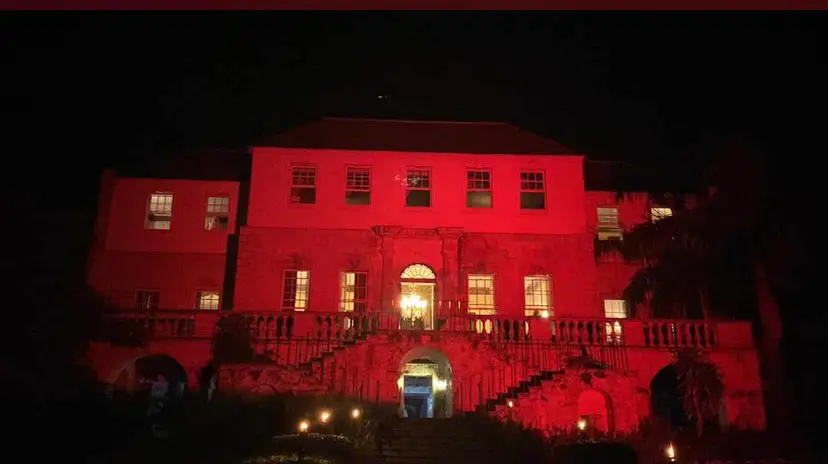
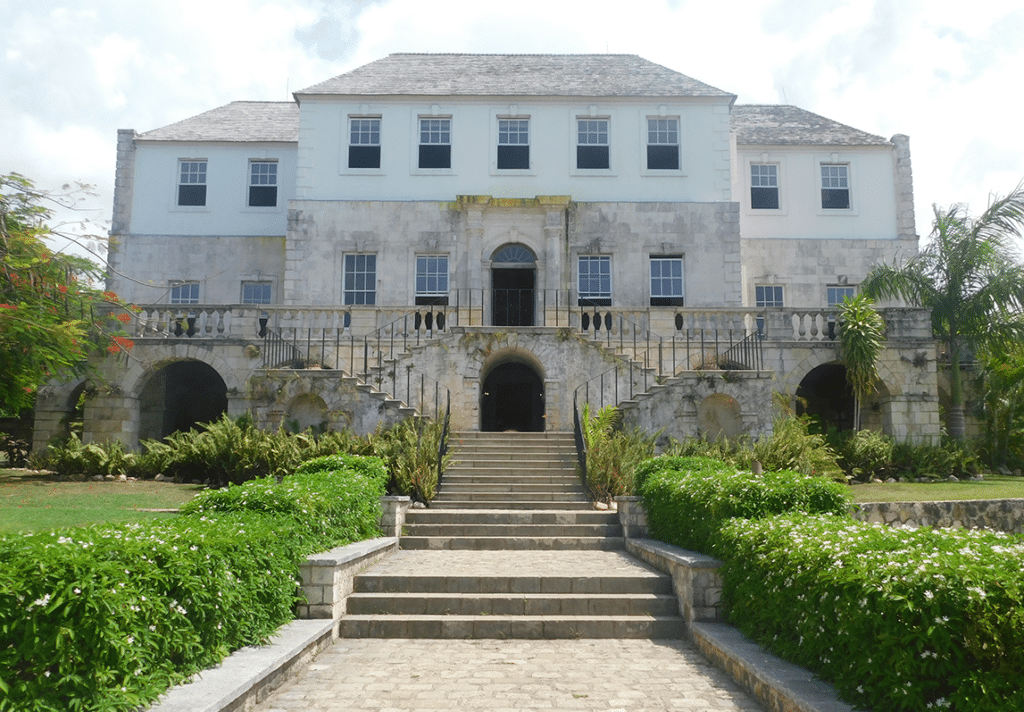
Rose Hall Great House, St. James: The White Witch and the Woman Behind Her
No haunted place in Jamaica is better known than Rose Hall, the great house outside Montego Bay. The story goes that Annie Palmer, the “White Witch,” learned dark arts as a girl, killed three husbands and a string of enslaved lovers, and was finally killed herself by a man named Takoo. Visitors say she never left. The house leans into it, and the legend has carried it onto ghost-hunting TV shows and into a Johnny Cash song, “The Ballad of Annie Palmer,” recorded in 1973. Cash owned Cinnamon Hill, the great house next door.
The historical record tells a different story. Researchers have found no credible evidence of the murders blamed on Annie Palmer, and the legend appears to have borrowed details from different people and accounts over the years. An 1868 pamphlet helped spread the tale, and Herbert de Lisser’s 1929 novel The White Witch of Rosehall gave the White Witch her lasting fame.
What isn’t fiction is everything around it. Rose Hall was a sugar plantation worked by enslaved people, and that history doesn’t need a witch to be haunting.
Edinburgh Castle, St. Ann: The Mad Doctor’s Ruins
In the Pedro district of St. Ann, two stone towers stand roofless in the bush. In the 1760s, a Scottish doctor named Lewis Hutchinson built Edinburgh Castle on the only inhabited land for miles along the road from St. Ann’s Bay, and travellers who passed it alone didn’t always arrive where they were going.
Hutchinson shot passers-by from his property, robbed them, and had the enslaved men he owned throw the bodies into a sinkhole. Nobody knows the final count; after his arrest, 43 watches and piles of clothing were found in the house. He was caught only after he shot a soldier sent to arrest him, fled to Old Harbour and was taken off a ship by the Royal Navy. He was hanged in Spanish Town in 1773. He is remembered as Jamaica’s earliest recorded serial killer.
The ruins are still there, slowly being swallowed by the bush. And when you know what happened on that land, you can understand why the stories have never quite died.
Flat Bridge, St. Catherine: The Bridge With No Rails
Anyone who has driven from Kingston to the north coast the old way knows Flat Bridge: a narrow, single-lane crossing low over the Rio Cobre in the Bog Walk Gorge, with traffic lights at each end and nothing at the edges but stone. It was built in the eighteenth century by enslaved workers, and many of them died working in that gorge. The handrails it once had have been washed away by the river over the years.
Over the years, more than a few vehicles have ended up in the Rio Cobre below, and Jamaican folklore has its own explanation for why. Some say the duppies of the men who built the bridge pull vehicles over the side. Others put it on River Mumma, who is said to live in a bottomless hole beneath the bridge, guarding a golden table that, folklore says, rises to the surface at midday on the hottest days. Anyone who reaches for it doesn’t come back up.
The highway now lets most north-coast traffic skip the gorge, but Flat Bridge is still there, still flooding after heavy rain, and still giving people a reason to drive across it with both hands on the wheel.
Duppy Church, Manchester: When the Congregation Left
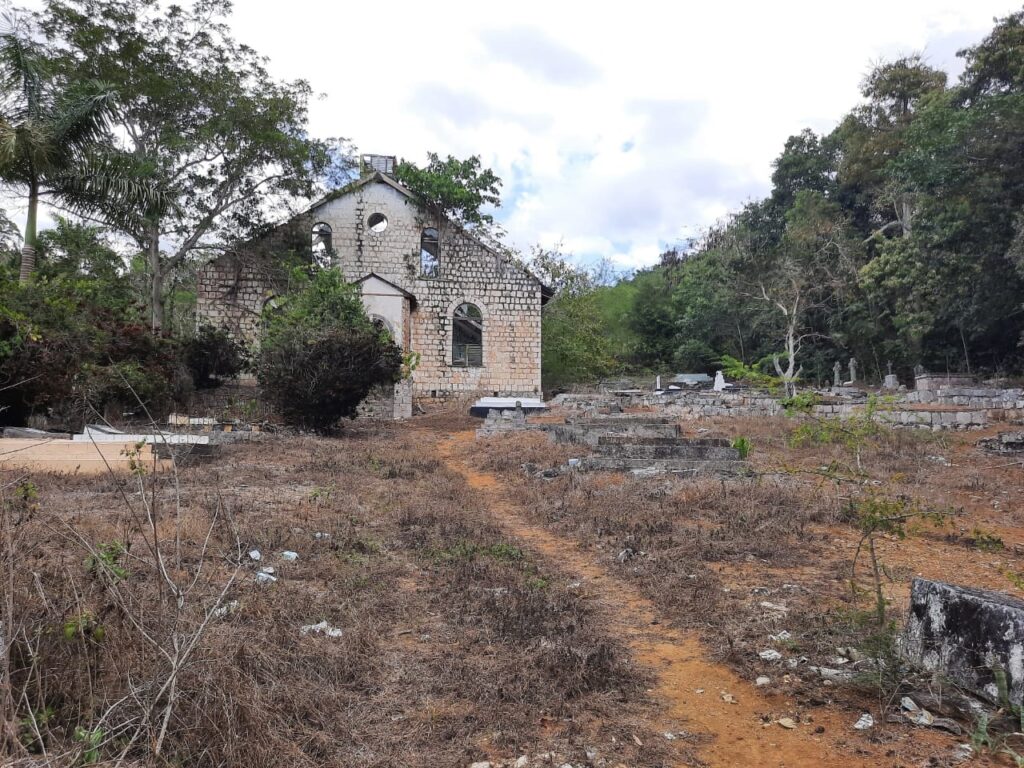
St. George’s Anglican Church, in the Weir district on the outskirts of Mile Gully, hasn’t held a service in a long time. The doors and pews are gone, the windows are broken, and the churchyard is full of graves dating back to the 1800s. Locals call it the Duppy Church, and the story is that the living congregation didn’t leave it so much as get pushed out.
People passing at night say they’ve heard organ music coming from the empty building. Taxi drivers in the area tell of picking up a young woman near the church after dark, a passenger who is gone from the back seat by the time they reach where she was going. And according to the stories, plenty of people wouldn’t dream of going near the place after dark.
The church dates to around 1835. In time the congregation moved on and the building fell into disuse, but the duppy stories never left.
Port Royal and Rackham’s Cay: Where the Pirates Ended
Before Kingston, Port Royal was the richest and roughest port in the Caribbean, nicknamed “the wickedest city on earth.” On June 7, 1692, an earthquake sent much of it into the sea, and with it hundreds of people who never got a burial.
The town kept its reputation. On November 18, 1720, the pirate Calico Jack Rackham was hanged at Port Royal, and his body was hung in an iron cage on a small island at the harbour mouth as a warning to every ship that sailed past. That island is still called Rackham’s Cay. His crewmates Anne Bonny and Mary Read were tried in Spanish Town days later.
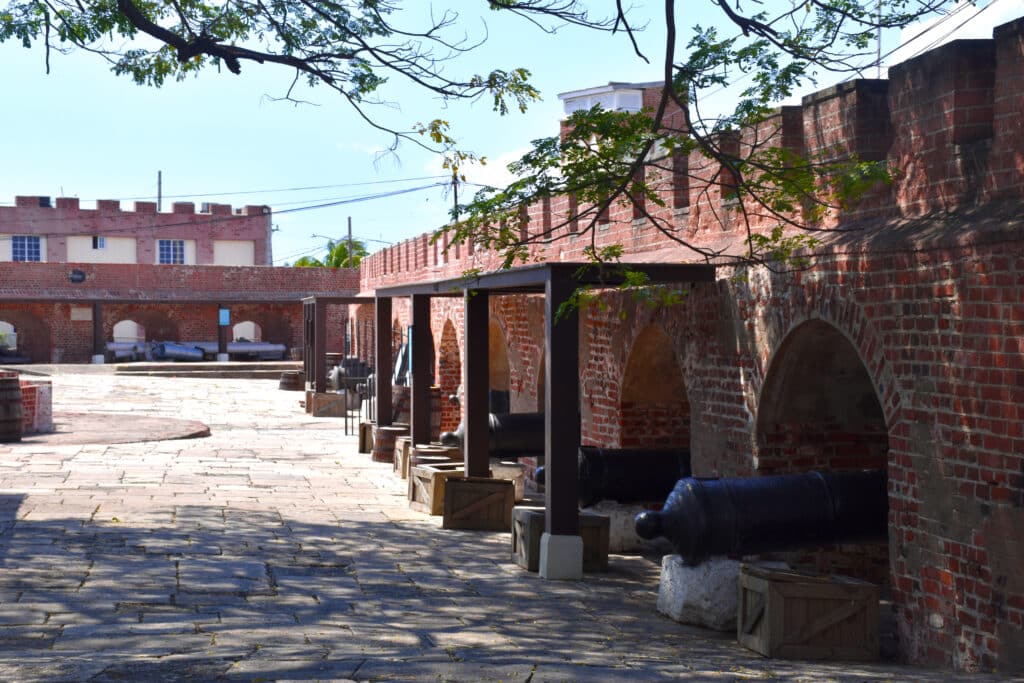
With a sunken city under the water and a pirate’s cage on the horizon, Port Royal doesn’t need to work hard to feel haunted. Read more about its history in our Port Royal guide.
Ferry, St. Catherine: Tom Cringle’s Cotton Tree
Some haunted places in Jamaica don’t exist anymore, and the most famous of them is Tom Cringle’s Cotton Tree. For more than 300 years, a giant silk-cotton tree stood on the road between Kingston and Spanish Town, beside the old Ferry Inn. It took its name from Tom Cringle’s Log, the 1830s novel by Michael Scott, who is said to have sat in its shade. The National Library of Jamaica still holds a photograph of the tree.
In Jamaican belief, cotton trees are where duppies live. People poured white rum at the roots before anyone would put an axe to one, and duppies called “Whooping Boys” were said to live underneath. Tom Cringle’s tree carried a darker rumour too: that it had been used as a hanging tree, and that the hanged men never left it.
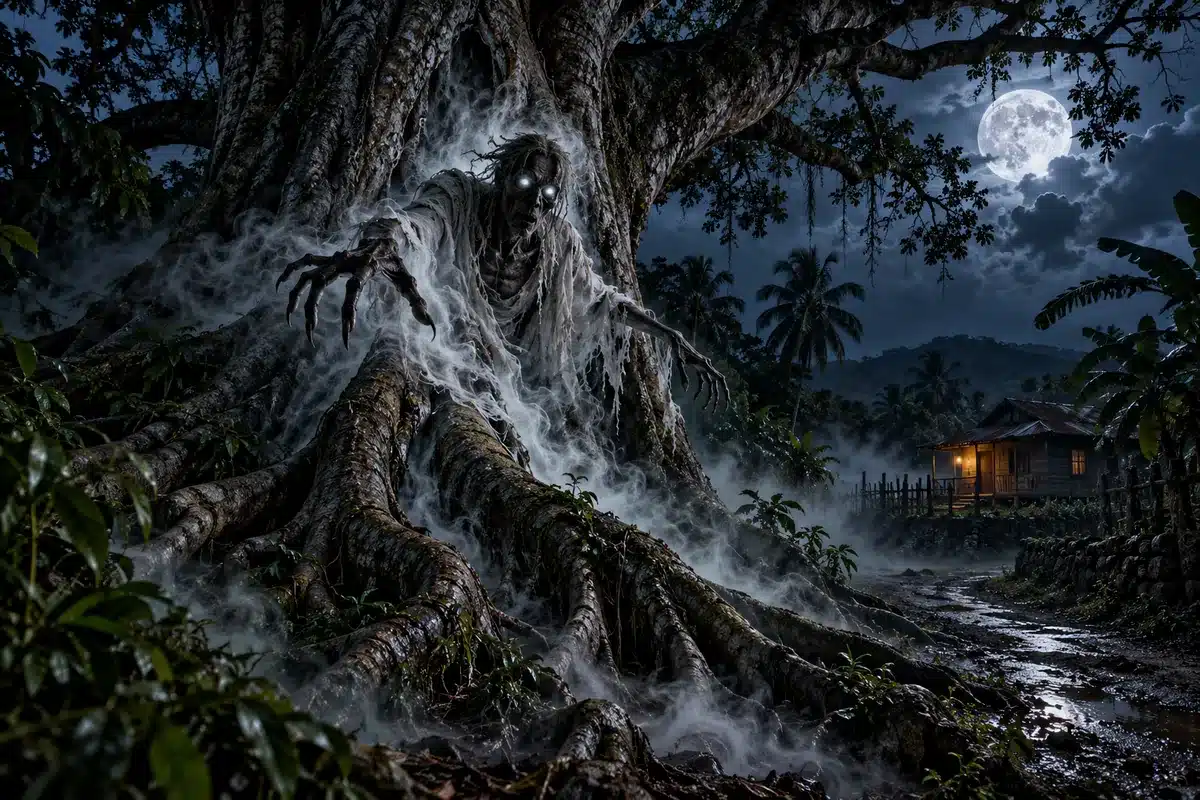
It fell on the night of January 18, 1971, across the road, blocking traffic for more than a day. Some blamed lightning and rot. Others blamed the new highway for cutting too close to its roots. Either way, generations of people driving through Ferry still know exactly where it stood.
The Spirits Behind Jamaica’s Haunted Stories
In Jamaican folklore, a duppy is the spirit of someone who has died. Some are believed to wander peacefully, while others are said to trouble the living, especially where death, wrongdoing or unfinished business is involved. And duppies aren’t the only things out there after dark:
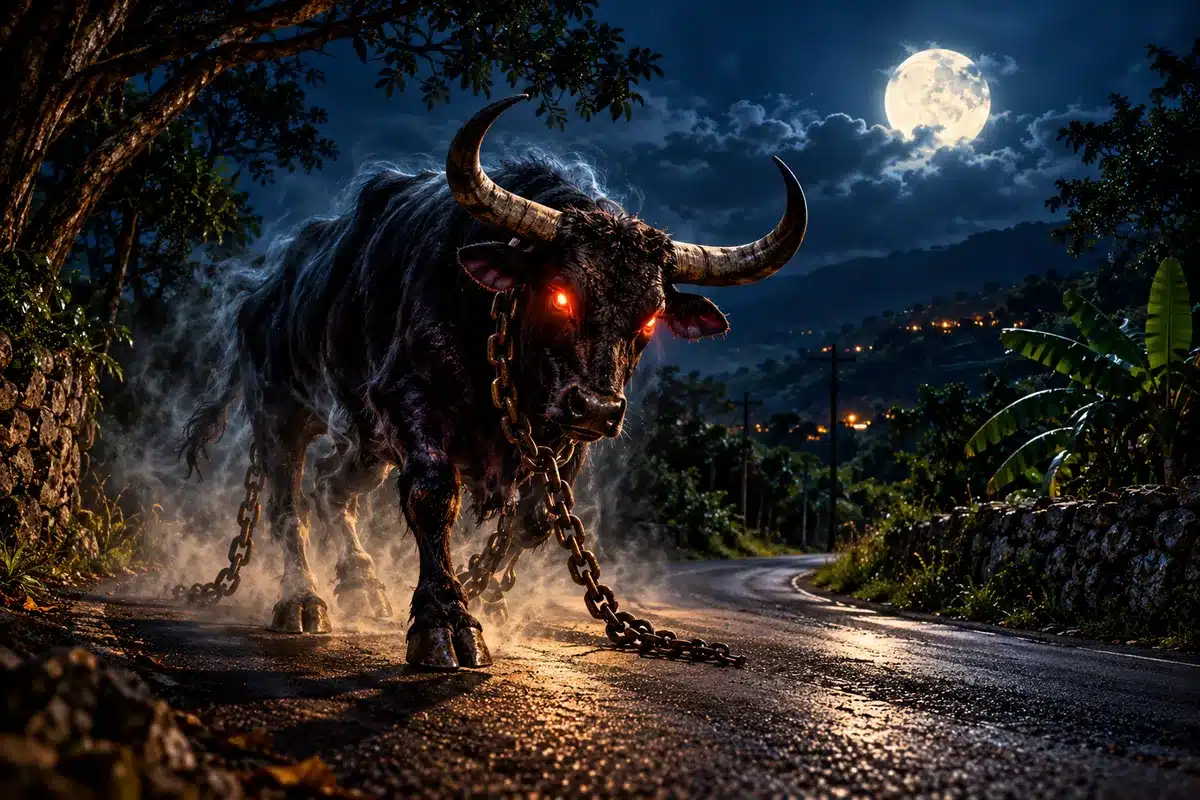
- Rolling Calf: a fiery-eyed spirit dragging a chain along country roads at night, said to be the duppy of someone wicked in life.
- River Mumma: the water spirit who sits on river rocks combing her hair and guards treasure beneath the water, Flat Bridge’s golden table included.
- Ol’ Higue: the old woman who sheds her skin at night. Scatter rice or peas at the door and she has to stop and count every grain until sunrise.

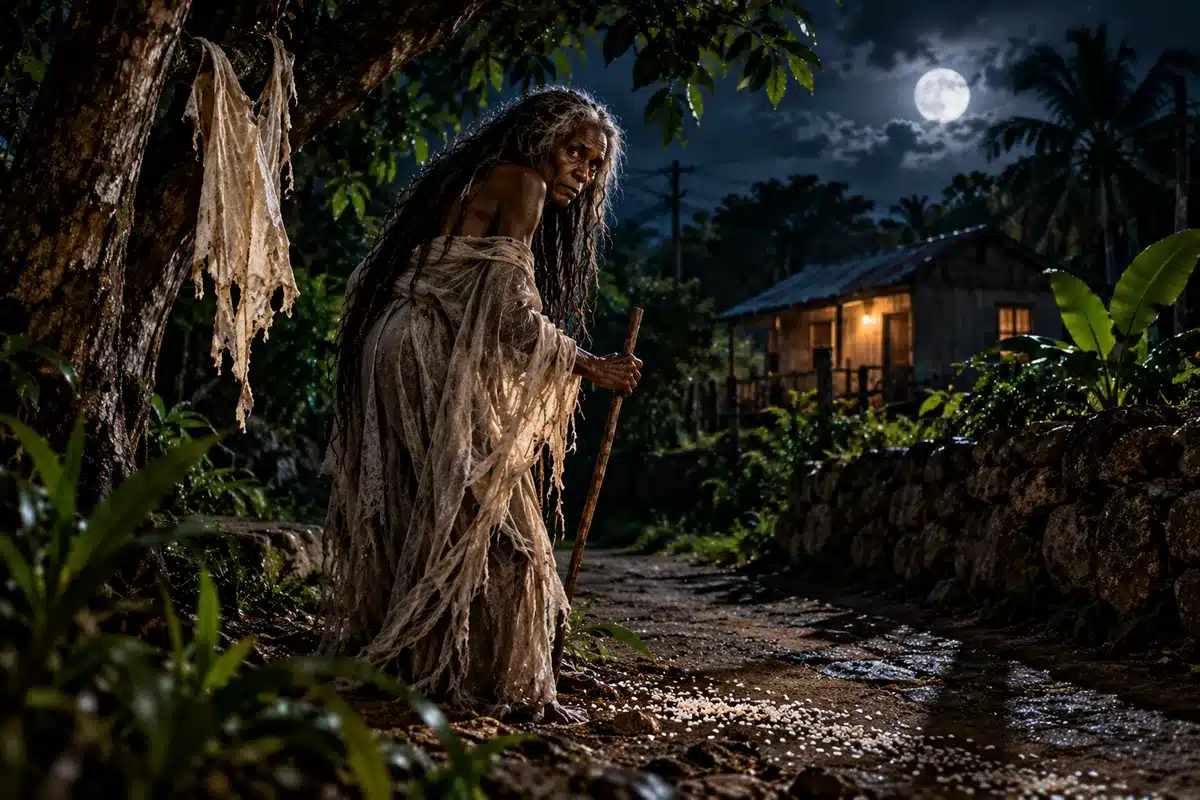
Older people had their protections too: salt at the doorway, white rum for the cotton tree, and never answering the first time your name is called after dark. For the stories behind these spirits, read Granny’s Duppy Stories, and our guide to Jamaican superstitions has the rest.
Haunted Places in Jamaica: Quick Questions
Was Annie Palmer, the White Witch of Rose Hall, real?
A woman named Annie Palmer did live at Rose Hall, but researchers have found no credible evidence of the murders. The White Witch legend grew from an 1868 pamphlet and Herbert de Lisser’s 1929 novel.
Can you visit the haunted places in Jamaica?
Rose Hall runs tours, Port Royal is open to visitors, and you’ll cross Flat Bridge if you take the old road through Bog Walk Gorge. The Edinburgh Castle ruins and Duppy Church are abandoned sites, so check access with people in the community first, go in daylight, and don’t go inside crumbling structures.
What is a duppy?
In Jamaican folklore, a duppy is the spirit of someone who has died. Some wander peacefully; others are said to trouble the living, especially where wrongdoing or unfinished business is involved. Our duppy stories go deeper.
Why are cotton trees feared in Jamaica?
Silk-cotton trees are believed to be where duppies live. Traditionally, nobody cuts one without pouring white rum at the roots first.
Your Turn
Every district in Jamaica has at least one place people tell you not to pass after dark. Maybe it’s an old house, a lonely stretch of road, or a cotton tree nobody would dare touch.
What was the haunted spot in your community, and what story did the older people tell about it? Share it in the comments. Your district’s duppy story might make the next edition.
Walk Good. 🇯🇲
Every Nook. Every Cranny. All Jamaican.