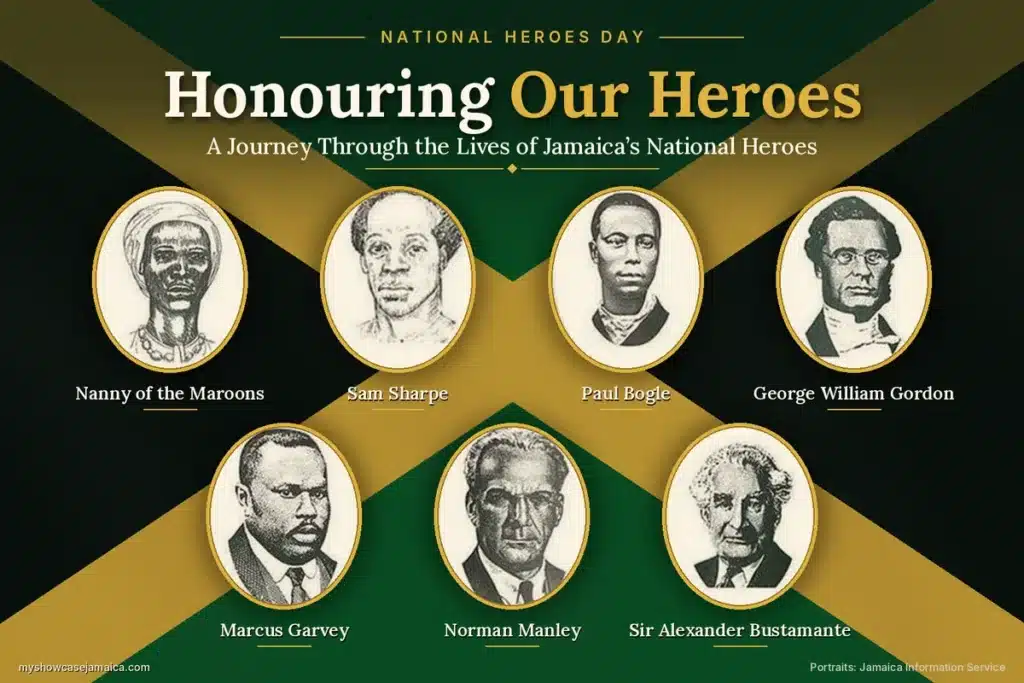
Every year on National Heroes Day, Jamaicans pause to reflect on the sacrifices made by our national heroes—individuals who fought for freedom, equality, and national pride. Jamaica’s history is intertwined with the courage and determination of these iconic figures who shaped the nation we celebrate today. Through their unrelenting bravery, Jamaica’s National Heroes have left an indelible mark on our country’s legacy. National Heroes Day falls on the third Monday in October. Here’s who we’re honouring, and why.
The Legacy of Marcus Garvey: The Visionary Leader
Perhaps the most internationally renowned of Jamaica’s national heroes, Marcus Garvey is known as a visionary who championed the cause of Pan-Africanism. Born in St. Ann’s Bay, Garvey’s influence extended far beyond Jamaica’s shores. Through his Universal Negro Improvement Association (UNIA), he inspired millions across the world, urging them to embrace their African heritage and fight for their rights. His call for unity and self-reliance remains a cornerstone of Jamaican national pride and continues to influence movements today.
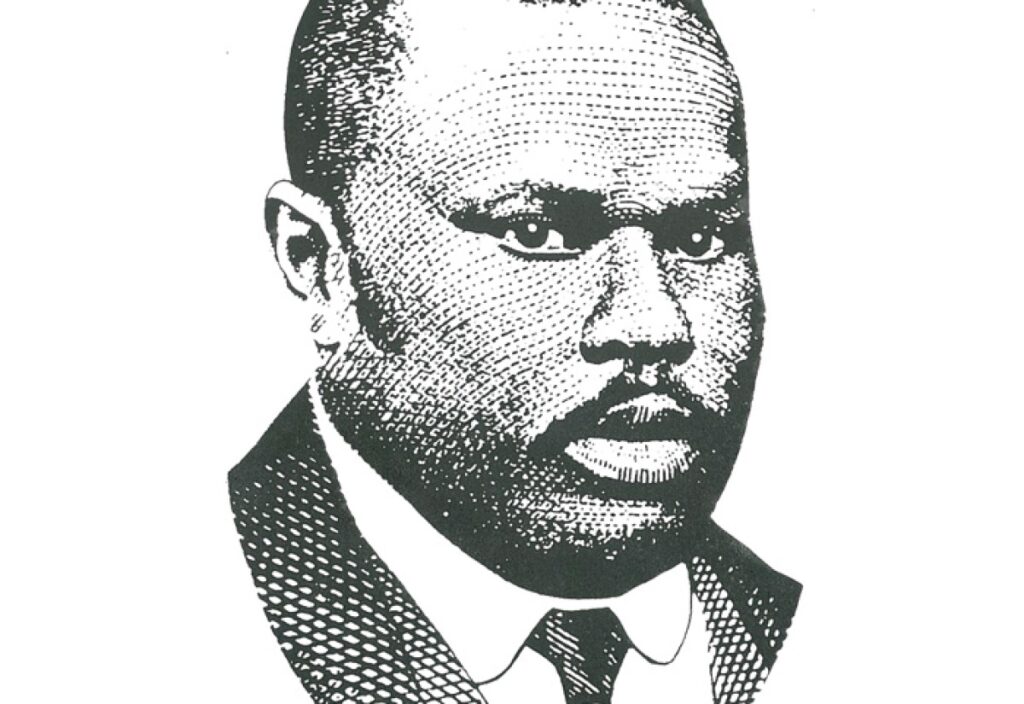
Image: Jamaica Information Service
As you commemorate National Heroes Day, take a moment to reflect on how Garvey’s teachings of economic independence and racial equality still resonate in contemporary Jamaica. His legacy is celebrated with numerous events, from educational discussions in schools to cultural exhibitions that honour his work.
Nanny of the Maroons: The Fearless Warrior
At the heart of Jamaica’s fight against colonial oppression stands Nanny of the Maroons, the only female among Jamaica’s national heroes. As a military leader, Nanny was instrumental in leading the Maroons in their resistance against British forces during the 18th century. Her brilliance in guerrilla warfare helped secure the Maroons’ autonomy, a significant victory for Jamaican resistance movements.

Image: Jamaica Information Service
Nanny’s legacy is one of strength, resilience, and an unbreakable spirit. Her story is not only a symbol of female empowerment but also a reminder of the African roots and traditions the Maroons carried into the hills and never let go. Celebrations of her life often include storytelling, re-enactments, and visits to key Maroon heritage sites.
Local legends claim she could catch the British bullets with her buttocks.
Sam Sharpe: The Martyr for Freedom
Known as the “preacher of freedom,” Samuel Sharpe led the Christmas Rebellion of 1831, a defining moment in Jamaica’s path to emancipation. Born into slavery, Sharpe was deeply religious and believed that the plight of the enslaved Africans contradicted the principles of Christianity. His leadership of the rebellion was driven by the conviction that freedom was a right that could no longer be denied.
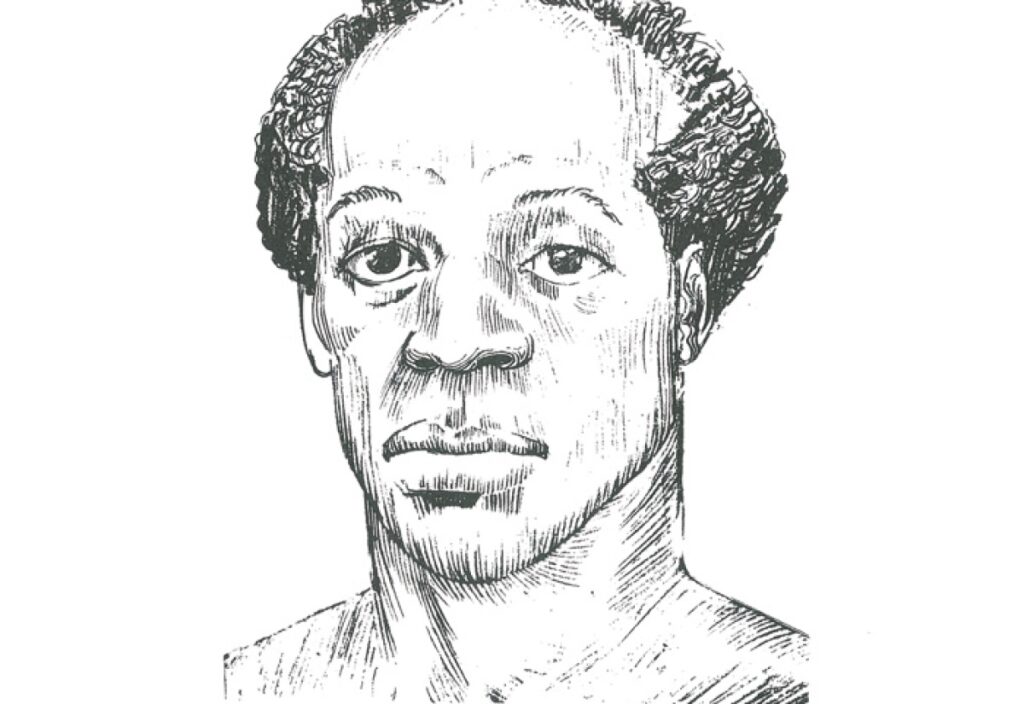
Image: Jamaica Information Service
Sharpe’s sacrifice—being hanged for his role in the uprising—earned him the title of a martyr for Jamaica’s freedom. Today, his life is commemorated with annual memorial services, and his story is an integral part of Jamaica’s educational curriculum, reminding future generations of the costs and rewards of freedom.
George William Gordon and Paul Bogle: Champions of Justice
George William Gordon and Paul Bogle worked hand in hand to confront the unjust conditions faced by poor Jamaicans in the 19th century. Gordon, a wealthy landowner and politician, supported the underprivileged, using his influence to advocate for social reform. Bogle, a Baptist preacher, followed Gordon’s example, leading the Morant Bay Rebellion in 1865 to fight against the oppressive colonial regime.
Both men were executed for their roles in the uprising, but their sacrifice spurred vital changes that eventually paved the way for better conditions for Jamaicans. Their story continues to inspire justice-driven movements in Jamaica, with National Heroes Day often featuring reenactments and community gatherings that celebrate their legacy.
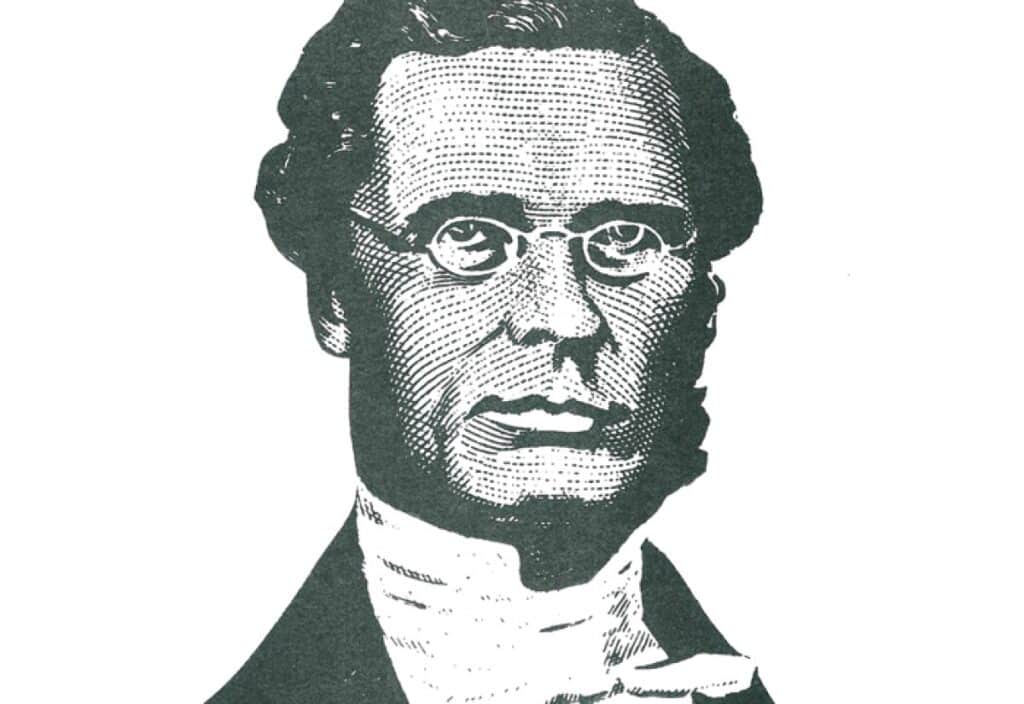
Image: Jamaica Information Service
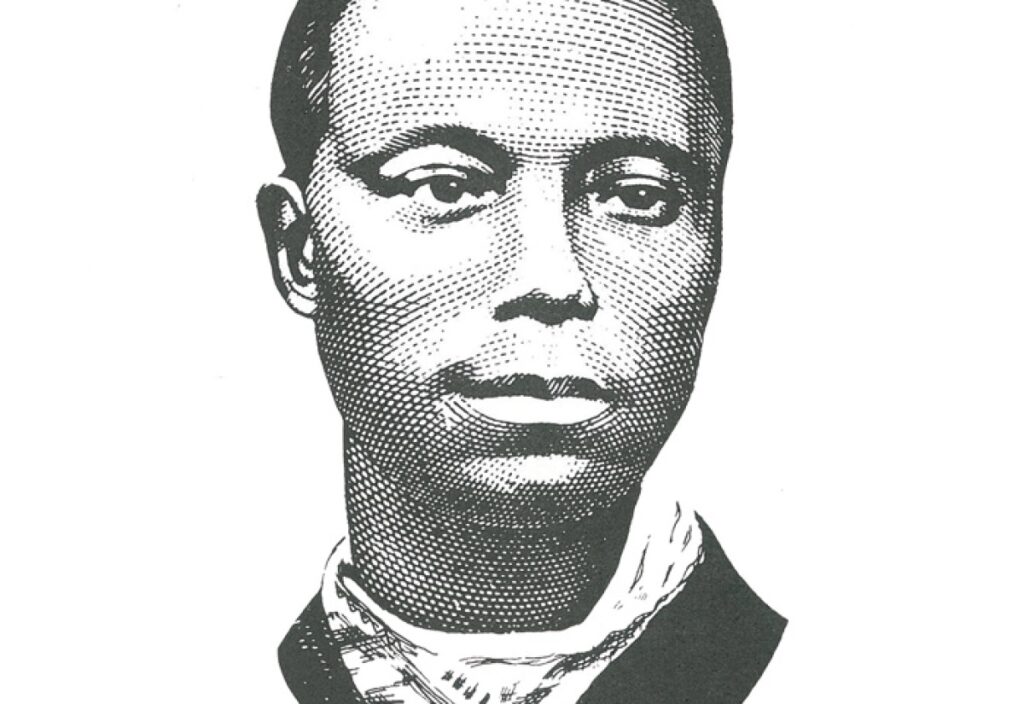
Image: Jamaica Information Service
Norman Manley and Sir Alexander Bustamante: Architects of Modern Jamaica
No reflection on Jamaica’s National Heroes would be complete without recognizing Norman Manley and Sir Alexander Bustamante, the founding fathers of Jamaica’s modern political landscape. Manley, the founder of the People’s National Party (PNP), and Bustamante, the first Prime Minister and founder of the Jamaica Labour Party (JLP), were central to the drive for Jamaican independence in 1962.
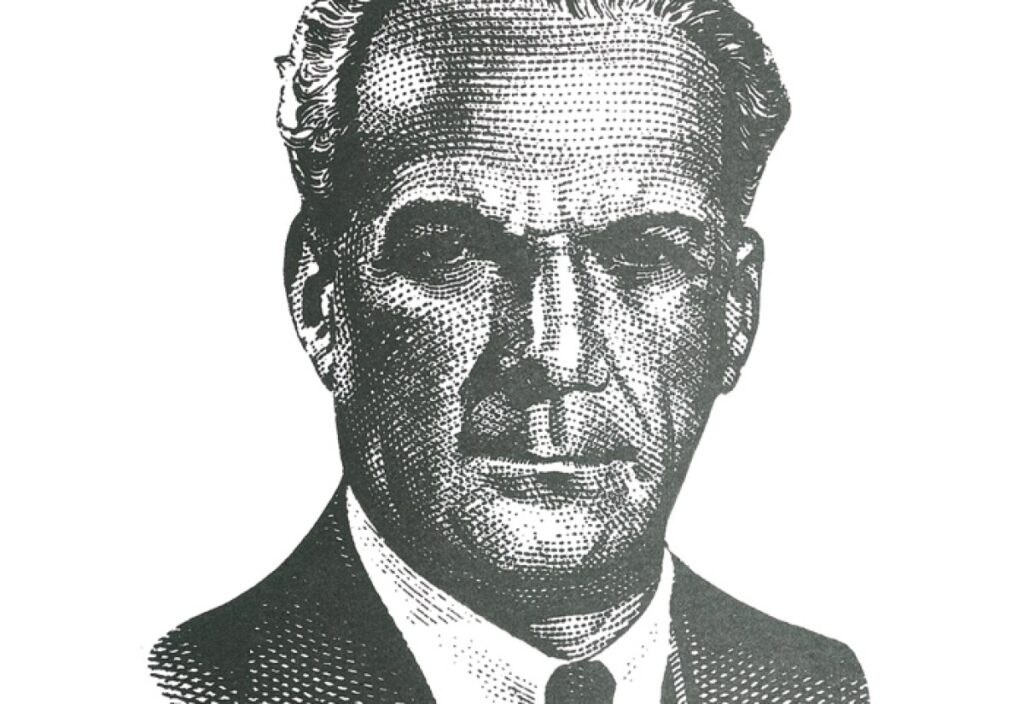
Image: Jamaica Information Service
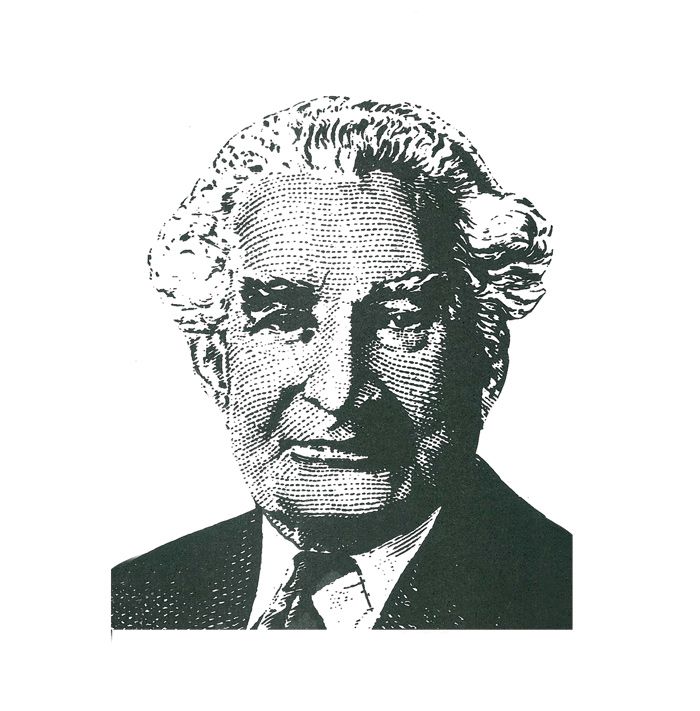
Image: Jamaica Information Service
Their contributions to the country’s political system laid the groundwork for the democratic processes that Jamaicans enjoy today. As the architects of modern Jamaica, they are honoured through political discussions, public speeches, and national celebrations on Heroes Day.
Conclusion: Honouring Our Heroes in Daily Life
As we honour the legacy of Jamaica’s National Heroes, it is crucial to reflect on their values—freedom, justice, and unity—and how they can be applied to our everyday lives. This National Heroes Day, we encourage you to take part in the various celebrations happening across Jamaica, whether by attending a memorial event, visiting historical sites, or engaging in community activities that continue their work. When you’re ready to bring these stories home, our guide to celebrating National Heroes Day as a family has ideas for every age, and our historic landmarks tour shows you where to stand in their footsteps.
What does National Heroes Day mean to you? We invite you to leave a comment below, sharing how you plan to celebrate the day and honour the legacy of Jamaica’s heroes. Let’s keep their spirit alive by passing their stories to the next generation.
Until next time, Walk Good.