The face. Yuh know the one.
Every Jamaican has made it at least once in their life. That involuntary twist. The eye shut up tight, the mouth pull down at the corner, the whole head shake like somebody just deliver bad news. It is the face of a child who just took their first sip of cerasee tea and discover, in one terrible moment, that Granny does not play.
She stand over you with the enamel cup, watching. Not smiling. Not coaxing. Just watching. Because Granny already know what’s a going to happen. She been through it herself, once, many moons ago.
“Drink it. All of it. It good fi yuh.”
And you drink it. Because the only thing worse than cerasee tea is the beating Granny a go give you if yuh don’t finish the cup. That is how almost every Jamaican gets introduced to cerasee. Not with a lecture. Not with a recipe. With a cup, a grandmother, and a memory that never leave you. This article is the second in our bush tea series — if yuh missed the opener, go back and read Bush Tea & Blessings: Jamaica’s Natural Remedies — the foundation for everything we a go cover here.
Quick Answer: What Is Jamaican Cerasee?
A bitter herbal bush tea made from the Jamaican cerasee vine (Momordica charantia, known internationally as bitter melon or bitter gourd).
Traditionally used in Jamaica as a cleanse — for digestion, skin, and overall system reset.
Usually taken as a weekly or monthly ritual, not daily. Brewed strong, drunk warm.
Passed down through generations, and still a fixture in Jamaican households and diaspora kitchens worldwide.
🇯🇲 If this already feel familiar — the enamel cup, the twist-up face, Granny standing over you — then you already fluent in something. The Talk Like a Jamaican pocket guide is free when you join the Showcase Jamaica community. Slangs, proverbs, bush tea remedies, and the badwords Granny would wash yuh mouth out for. Drop your email and it’s yours.
What is Cerasee, Really?
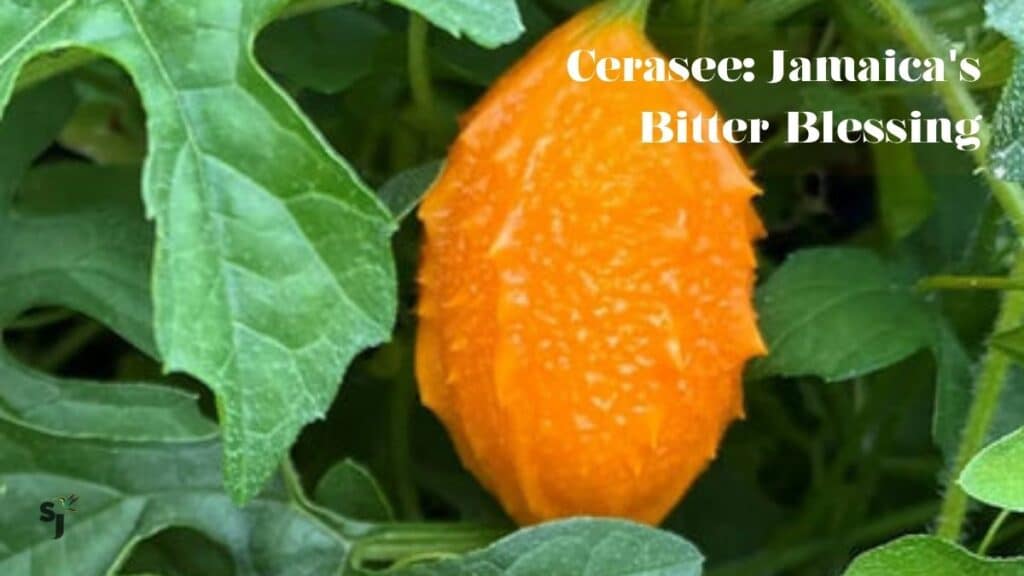
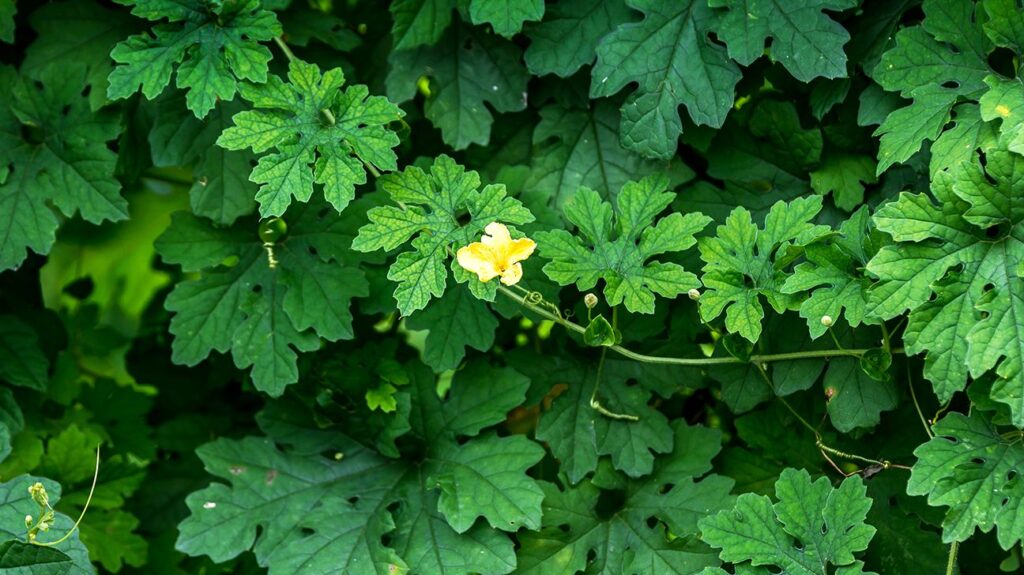
Cerasee (Momordica charantia, also called bitter melon or bitter gourd) is a climbing vine that grows wild all over Jamaica. It climbs anywhere it can find something to hold on to — fence, tree, old gate, the neighbour’s veranda. It doesn’t care. The leaves are small and jagged, the vine produces a small orange fruit that splits open to reveal bright red seeds, and the whole plant taste like it a punish you for something yuh don’t even remember doing.
But that is exactly the point.
In Jamaica, bitter means medicine. The more bitter a thing taste, the more power people believe it carry. Cerasee sits right at the top of that list — the standard-bearer, the one every other bush get measured against. If yuh can drink cerasee without flinching, the rest of the bush pot hold no fear for you.
The plant came to Jamaica through African and Asian trade routes centuries ago, and it settled into the island like it was always meant to be here. Today you find it growing wild in almost every parish, sold dried at Coronation Market and other markets island-wide. Even tucked into suitcases heading to every corner of the diaspora.
Cerasee Tea Benefits: Why Jamaicans Drink It
If yuh grow up in a Jamaican household, yuh know the ritual.
Every now and then — sometimes on a Sunday, or sometimes for no reason at all except that Granny decide today is the day — the cerasee come out. A handful of the dried vine, stem and leaf and all, drop into a pot of water and set to boil. The smell hit the house first, a sharp green bitterness that travel through every room and announce itself without asking permission. Children start to find reasons to be outside.
The tea is brewed strong. Dark. Almost black. Granny pour it into a cup, sometimes add a likkle brown sugar, sometimes not (depends on how much she feel you deserve mercy that day), and hand it over with one simple instruction:
“Drink it. All a it. It a go clean yuh out.”
And she was right. Cerasee is traditionally used as a blood cleanser, a system flusher, a reset button for whatever the body has been putting up with. Too much grease food? Cerasee. Come through a rough weekend? Cerasee the next morning, no questions asked. Skin breaking out? Cerasee. Whatever the problem, the answer usually start with boiling water and a handful of bush.
This is not casual drinking. Cerasee is not a morning pick-me-up like coffee. It is a deliberate act — yuh sit down, yuh drink it, yuh accept what it taste like, and yuh trust that something good is happening on the inside. That trust is as much part of the medicine as the bush itself.
But cerasee isn’t just yard wisdom — it’s been catching attention far beyond the island.
What the Research Says About Cerasee
Here is the part that always make people raise an eyebrow: modern research has started exploring some of the uses Granny always swore by.
Studies have looked at Momordica charantia for decades now, examining its compounds for potential effects on blood sugar regulation, digestion, and inflammation. It is taken seriously enough in traditional medicine systems across Asia, Africa, and the Caribbean that it has earned a permanent seat at the table. Diabetes research in particular keep circling back to cerasee for a closer look.
None of this is new to Jamaicans. Granny didn’t need a journal article to tell her cerasee was working. She watched it work. Her mother watched it work. Her grandmother before that. That is the thing people often miss about Jamaican bush medicine — it is not faith-based in the way outsiders assume. It is evidence-based in the oldest way possible: generations of observation, passed down with care.
One caveat worth saying out loud, though — cerasee is strong. It is not recommended for pregnant women, and it is not meant to drink every day forever. Even Granny never treat it like water. A likkle goes a long way. As with any herbal remedy, it’s worth having a quick word with your doctor about if you’re on regular medication. Respect the bush, and the bush will respect you.
Cerasee In Foreign: How the Bush Crossed the Water
Ask any Jamaican living abroad what they bring back from the island, and somewhere in the answer — between the frozen patties, the frozen ackee, the fried fish wrapped careful in foil — you’ll hear cerasee
It travels in ziplock bags, rolled up in newspaper, tucked into the bottom of suitcases — packed carefully to survive the journey. Somewhere in Brooklyn, Toronto, London, Miami, and every city in between, there is a Jamaican opening a cupboard and pulling out a bag of cerasee that came direct from Jamaica.
And when the supply runs dry — when nobody’s flying in for a while and the Caribbean shop is too far — there is one option most diaspora Jamaicans quietly fall back on: Caribbean Dreams Cerasee Tea in the familiar green box. It not the bush yuh granny pick from the yard. Nothing is. But it made in Jamaica, it’s 100% cerasee, and when yuh need a cup on a Tuesday evening in Queens, it do the job. Most big grocery stores stock it in the Caribbean aisle, and Amazon carry it for when the stores don’t.
🇯🇲Caribbean Dreams Cerasee Tea (Pack of 3, 24 Bags Each)
Made in Jamaica. 100% cerasee leaves, caffeine-free, no additives. The green box yuh auntie probably keep in har cupboard. When country supply run out, this is the fallback every diaspora Jamaican knows.
→ Shop on AmazonDisclosure: This is an Amazon affiliate link. If you buy through it, Showcase Jamaica earns a small commission at no extra cost to you. We only recommend products we'd put in our own cupboard.
That is the real story of cerasee. Not just what it cure. What it carry. The taste of home, the memory of Granny, the connection to a yard that might be five thousand miles away but still lives in the cup.
How to Actually Drink Cerasee (Without Making the Face)
No method is going to make cerasee taste like chocolate tea. Let’s get that clear from the start. But there are ways to make it more manageable, especially if you’re introducing it to someone for the first time. The notes below work for loose-leaf bush or tea bags — whichever you have on hand.
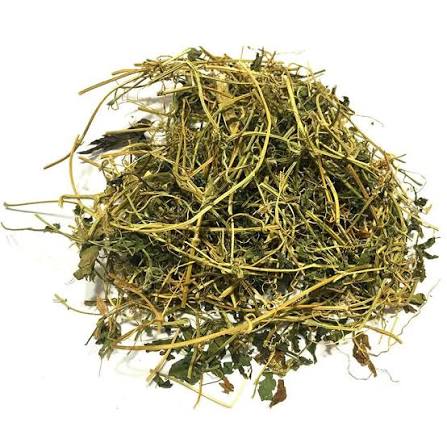
Use less than you think. A small handful of loose bush for a pot of water, or one tea bag per cup. Strong cerasee will shock your system.
Boil, then steep. Bring water to a boil with the bush in it, then turn off the flame and let it sit for about ten minutes. For tea bags, five to seven minutes in hot water is plenty.
Strain properly. Nothing worse than a piece of cerasee leaf catching in your throat mid-sip. Use a fine strainer for loose bush.
A little sweetener if you must. Brown sugar, honey, or even a squeeze of lime can soften the edges. Granny might judge you. That’s between you and Granny.
Drink it warm, not hot. Hot cerasee is harsh. Warm cerasee is medicine. Big difference.
Have something sweet nearby. A piece of bun, a spoon of condensed milk, a hard candy — for after. Every Jamaican child knows the sweet reward is part of the deal.
Not Everybody Makes the Face
A confession we have to make: not every Jamaican struggles with cerasee. Some genuinely like it. Ask around and you’ll hear it said with a straight face — “It nuh so bitter, man” — like the speaker knows something the rest of us don’t. Others reach for it on purpose after a heavy meal, because they enjoy the cleanse. This article has been written from the perspective of the majority — the face-twisters, the reluctant sippers, the children who learned to swallow before they learned to like it. But cerasee has its quiet appreciators too. Both camps are real. Both camps are right.
More Than a Tea: What Cerasee Means
Cerasee is bigger than any cup it gets poured into.
It is the sound of Granny moving around the kitchen at five in the morning. It is the smell that warns you, before even taking a step in the kitchen, that today is a cleanse day. It is the face every child pull the first time, and the laugh every adult laugh when they watch a new generation go through it.
It is the bag somebody carries up from country for a relative who hasn’t been home in ten years. It is the quiet pride of knowing your culture figured out something centuries before the rest of the world came around to it. That instinct — to reach for the bush before reaching for a pill — lives alongside other Jamaican wisdoms like the beliefs and warnings that shape everyday life on the island.
And it is, most of all, a kind of love that doesn’t always taste like love. Granny never sugar-coated the cup. She trusted that you would understand, eventually, that the bitter was the blessing.
“What bitter to the mouth sweet to the belly.”
Every Jamaican grows up hearing some version of that. It’s one of the many proverbs Granny left behind — short sentences that hold more truth than a whole book. Cerasee is the living proof. The first sip makes your face twist up. The rest of your life, you reach for the cup anyway.
So the Next Time Somebody Offer You Cerasee…
Take the cup. Drink it. All of it. Don’t fight the face — everybody make the face. Pull it proper, let it pass, and then reach for whatever sweet thing is sitting close by.
Because that bitter likkle cup in yuh hand carry the wisdom of women who figured out what natural remedies could do long before anybody thought to write it down. Every time yuh drink it, yuh keeping that chain alive.
That is cerasee. Bitter, yes. But a blessing all the same.
Walk Good. 🇯🇲
Every Nook. Every Cranny. All Jamaican.