Jamaica has beaches everywhere. The north coast has them tucked between cliffs and resort strips. The south has quiet ones that barely have names. Portland has river mouths that slide into the sea at the foot of blue mountains. The island is not short on coastline. But when people say the beach in Jamaica — the one that ends up on the mood boards, the one that makes you book the flight — they mean Negril. And in Negril, they mean Seven Mile Beach, Jamaica.
If you’re exploring more coastal spots across the island, check out our guide to Best Beaches in Jamaica.
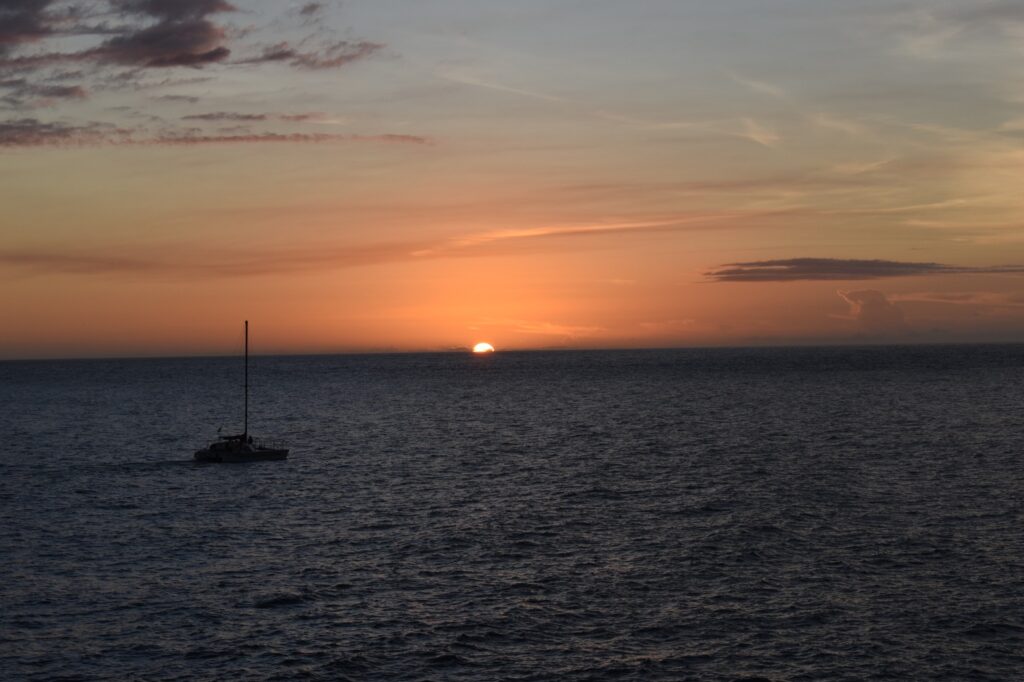
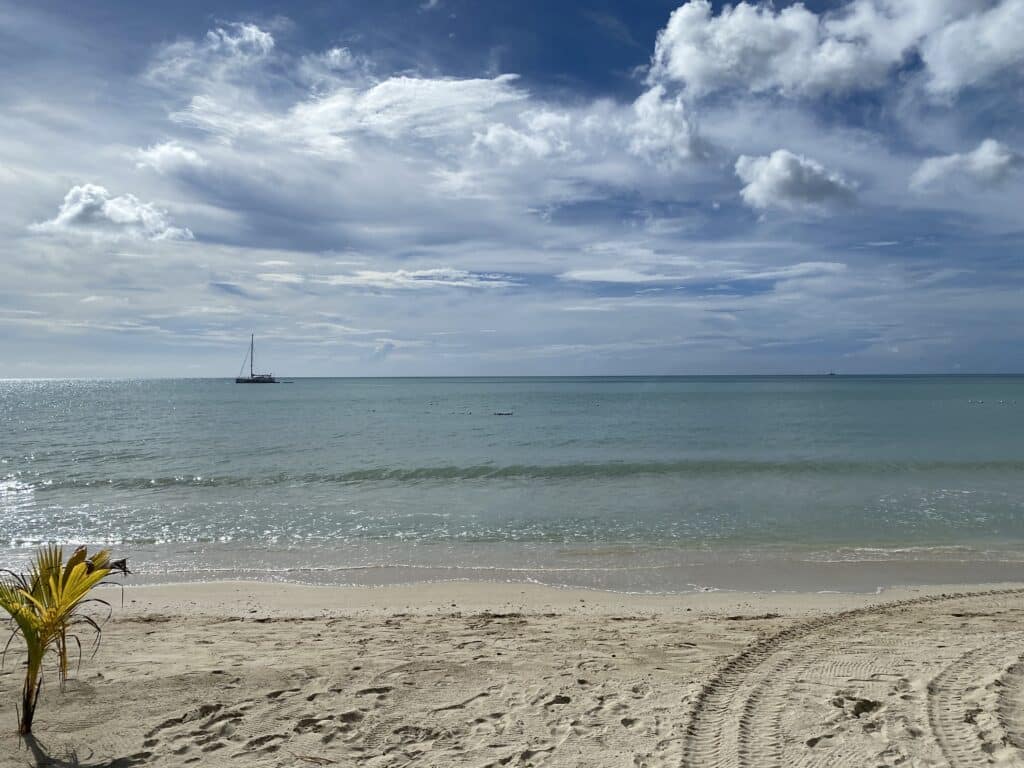
Powder-white sand stretching further than you can see. Water so clear, so flat, so warm that you forget what cold feels like. And sunsets. The kind that come in slow and dramatic over the Caribbean Sea and make the whole place go quiet for a moment — the vendors, the music, the chatter — right before the sky turns orange and gold and every single person on the beach exhales at the same time.
It is, by most measures, one of the most beautiful beaches in the entire Caribbean. And it earns that. But like most iconic places, there’s a version tourists get — and a version that reveals itself when you slow down, arrive early, wander a little further, and know what you’re actually looking for.
This is the second version.
First — Is It Actually Seven Miles?
Let’s settle this early because it comes up every time.
The beach is called Seven Mile Beach, but the white-sand stretch most people picture — the one running along Norman Manley Boulevard with the bars, the beach chairs, and the music — is closer to four miles long. The remaining three miles stretch northward into Bloody Bay, a quieter and more resort-heavy section of coastline where the energy is noticeably different.
Taken together as one continuous coastal strip, seven miles is a fair claim. But if you’re expecting one unbroken stretch of rum bars and reggae from end to end — it’s four miles of that. Then Bloody Bay takes over with a slower, more private pace and the big all-inclusive properties anchoring the shoreline.
Both sections are worth knowing. Both are worth your time. Understanding the difference shapes how you plan your day.
Where Is Seven Mile Beach, Jamaica and How Do You Get There?
Seven Mile Beach, Jamaica runs along the west coast of Jamaica in Westmoreland Parish. Negril is the town, the beach is essentially its entire western edge, and Norman Manley Boulevard is the road that runs parallel to it — your main orientation point for the whole area.
Getting there from elsewhere on the island:
- From Montego Bay: About 1.5 to 2 hours by road. The drive along the coast through Lucea is genuinely scenic — one of the better road journeys Jamaica has to offer.
- From Kingston: Around 3.5 to 4 hours. Most people overnight in Negril rather than make it a day trip from the capital. It’s worth doing properly.
- From Ocho Rios: About 3 hours via Montego Bay. A long day if you’re not staying, but doable if you start early.
Once you’re in Negril, everything moves slowly — which is the whole point. Taxis run the length of the boulevard, route taxis are inexpensive, and much of the beach is walkable. The best way to move the full length at your own pace is to rent a bicycle — you’ll cover more ground, stop whenever something catches your eye, and feel exactly how Negril is meant to feel.
The Beach Itself — What It’s Actually Like Section by Section
Here’s what photographs don’t capture: Seven Mile Beach is not the same beach from end to end. It changes character depending on where you plant yourself, and knowing this is the difference between a good day and a great one.
The Centre — Where the Energy Is
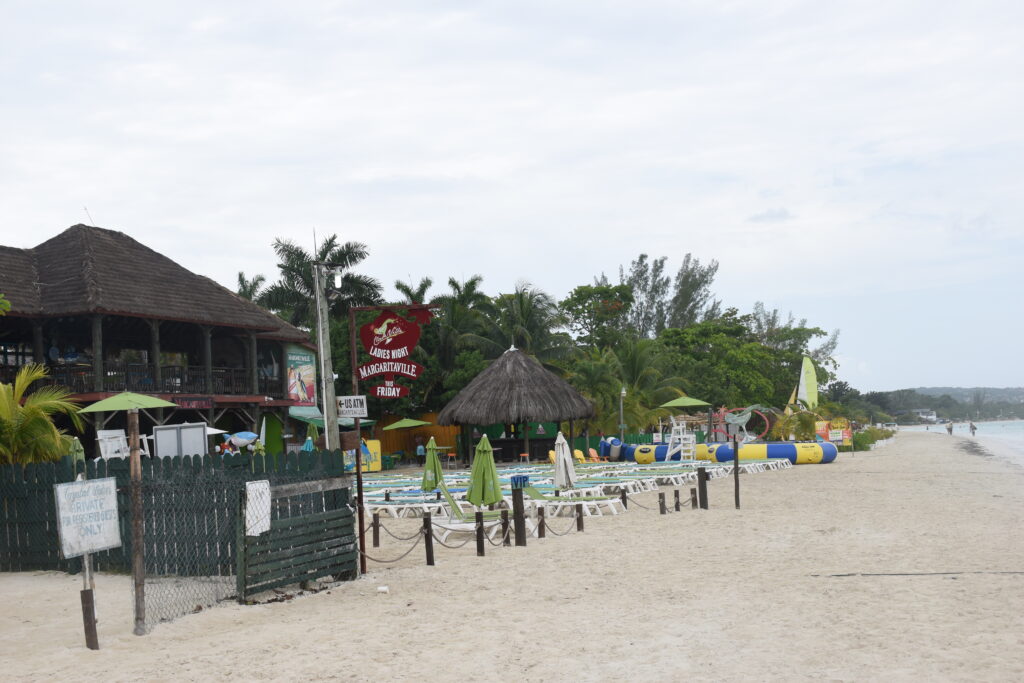
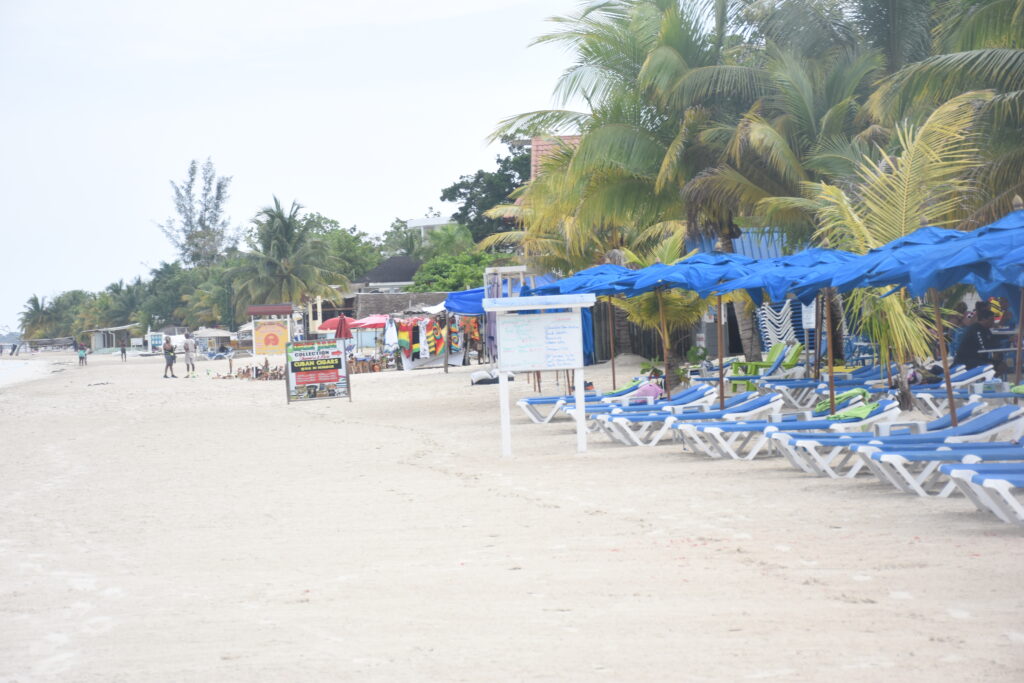
The stretch around the Boardwalk Village area is where the activity concentrates. Beach bars with their feet in the sand, music rolling out from multiple directions at once, vendors moving up and down the shoreline with coolers of cold Red Stripe, fresh lobster, braided hair, boat trips, and woven bags. Water sports operators offer jet skis, kayaks, paddleboards, and glass-bottom boat tours. Chairs and umbrellas rent for around USD $7 each.
This is the version of Seven Mile that ends up on social media. It is lively, social, and fun — if this is your energy, you will love it. The water here is genuinely extraordinary. Shallow, flat, and warm with visibility that makes snorkelling in Jamaica’s reef areas feel like looking through glass.
The Northern End — Bloody Bay
Head north and the pace drops completely. The sand quality doesn’t change — still the same soft white — but the crowds thin, the music fades, and the large all-inclusive resorts take over the frontage. Between them are quieter stretches of public beach where you can spread out properly. If you want the beauty of Seven Mile without the noise of the main strip, this is where you go.
Bloody Bay is also where families with young children tend to prefer — the water stays shallow and calm further out than almost any beach in Jamaica, making it genuinely safe for small kids to move freely.
The Southern End — Toward the Cliffs
As you head south, the sand starts to give way to the limestone cliffs that Negril is also famous for. This transition zone is where you’ll find smaller guesthouses, local jerk spots, and the beginnings of the cliff bar scene. The water gets slightly deeper closer to the cliffs but remains clear. This end tends to be quieter than the centre and has more of a backpacker-meets-local energy.
And at the very end of the cliff section sits Rick’s Cafe — Jamaica’s most famous sunset spot, where cliff divers perform for the crowd and the view west over the Caribbean is about as good as it gets anywhere on the island.
The Sunset — Jamaica’s Most Anticipated Daily Event
If you only do one thing in Negril, watch the sunset from Seven Mile Beach.
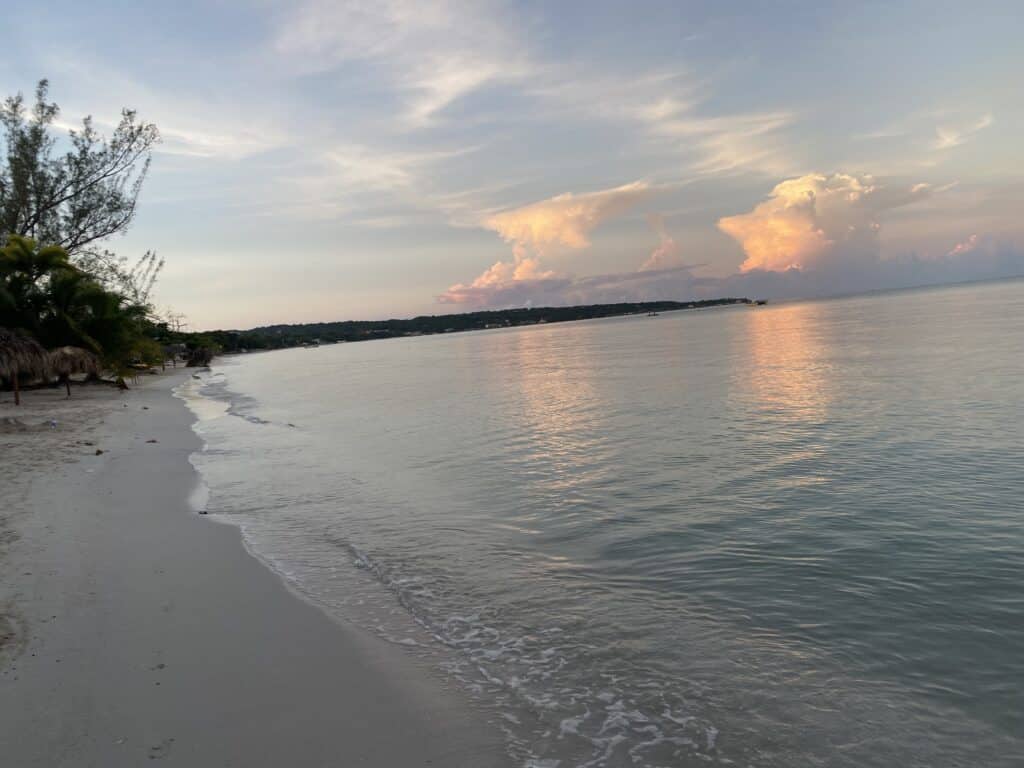
This is not tourist brochure language. The geography of the west coast means you are watching the sun drop directly into the Caribbean Sea with nothing between you and the horizon. The light changes over about forty minutes — gold, then orange, then deep red against the water — and on a clear evening the whole beach stops whatever it’s doing and watches together.
Rick’s Cafe is the famous option — and it delivers. Cliff divers jump as the sun goes down, there’s cold beer and good vibes, and the crowd is a mix of tourists and locals who’ve watched this sunset a hundred times and still show up. It gets busy, especially later in the week, so arrive early to get a good spot.
But you don’t need Rick’s for a great sunset. Any stretch of Seven Mile Beach facing west will give you the same sky. Find a beach bar you like, order something cold, put your feet in the sand, and let Negril do what Negril does.
What to Do at Seven Mile Beach Beyond Just Lying Down
The beach does its job perfectly on its own — sun, sand, sea, repeat. But if you want more than that, there’s plenty on offer.
Water Sports
The calm, clear water makes Seven Mile ideal for almost everything water-related. Snorkelling over the reef sections reveals angelfish, pufferfish, seahorses and stingrays (keep a respectful distance). Glass-bottom boat tours are popular for anyone who wants the view without getting wet. Kayaks, paddleboards, jet skis, and sailing trips are all available from operators along the main strip — prices are negotiable and packages often better value than individual bookings.
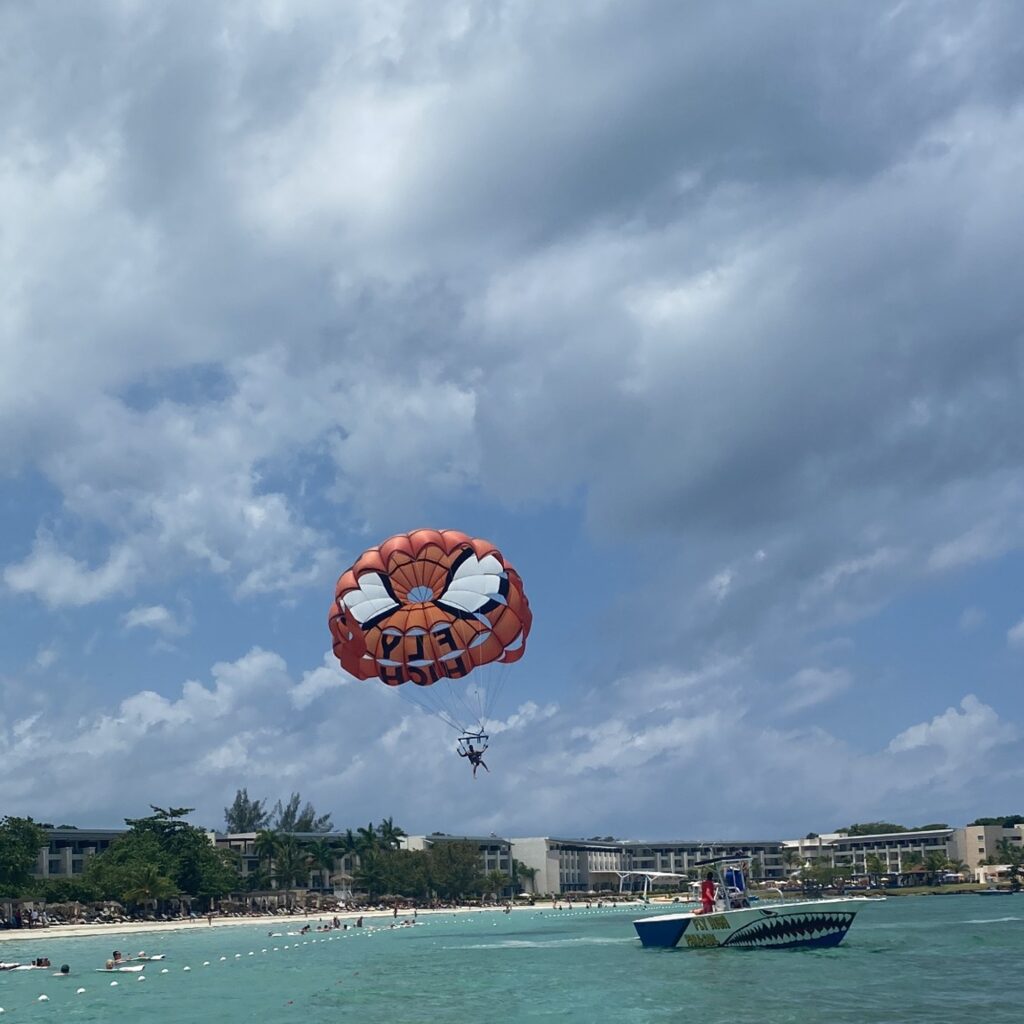
Parasailing Over Seven Mile Beach
Parasailing is one of the most popular water activities along Seven Mile Beach. Operators based along the shoreline offer short flights that lift you high above Negril’s coastline, giving you a full aerial view of the white sand, turquoise water, and coral reef just offshore.
No experience is needed — you’re securely harnessed and guided by trained operators the entire time. Flights typically last 10–15 minutes, and on a clear day, you can see miles down the coast in both directions.
The Vendors
Let’s be honest about this because every guide dances around it: the vendors on Seven Mile Beach are persistent. Crafts, cold drinks, fresh fruit, sunglasses, boat trips, hair braiding — if you’re sitting in the open, people will approach you. Regularly.
A calm, clear “no thank you” is usually enough. A smile helps. Getting irritated makes it worse. The vendors are working, the beach is their office, and most interactions are genuinely friendly even if the frequency gets tiring. If you find a vendor selling something you actually want — local craft work, fresh coconut, lobster — buying from them directly supports the community in a way that resort packages don’t.
If you genuinely want to be left alone for a stretch, the quieter sections toward Bloody Bay see much less vendor traffic.
Eat on the Beach
Some of the best food in Negril is not inside a restaurant. The jerk chicken spots along Norman Manley Boulevard — the ones with smoke drifting across the road — are the real standard. Fresh fish, bammy, festival, steamed fish with provisions. The beach bars range from full kitchen operations to a woman with a cooler and the best jerk pork you’ll have all trip.
The rule in Negril is simple: if it smells good and there are locals eating there, stop.
Booby Cay Island
Just off the northern end of Seven Mile Beach sits Booby Cay — a tiny uninhabited island a short boat ride from shore. You can arrange a trip from the beach operators. It’s a quiet spot with good snorkelling around its edges and a completely different perspective looking back at Negril from the water. Worth a half morning if you have the time.
When to Go and How to Beat the Crowds
Seven Mile Beach is genuinely beautiful year-round thanks to Jamaica’s warm climate. But timing matters for the experience you want.
- December to April is peak season — ideal weather, less rain, and the beach is at its most organised and lively. It’s also busiest, so accommodation books up fast and prices are higher.
- May to November brings the possibility of rain and the occasional tropical weather event, but also significantly fewer tourists. If you’re happy to take the weather as it comes, you’ll have more beach to yourself and much better rates on accommodation.
- Mornings are always the move. Seven Mile Beach in the first hour after sunrise is a completely different place — the light is extraordinary, the sand is mostly empty, the water is still. If you can pull yourself out of bed for it, you’ll have the best version of the beach before the day begins.
- Weekdays over weekends for a quieter stretch, especially if you’re visiting during school holidays in Jamaica when domestic tourism picks up.
Seven Mile Beach vs. Negril’s Other Beaches
Seven Mile gets all the attention, but Negril has more coastline than just the main strip.
Bloody Bay — already covered above as the quieter northern extension. Calmer, more private, the right choice if you want beautiful water without the scene.
Half Moon Beach — a small, tucked-away cove south of the main strip with rustic charm and a beach bar that operates on Jamaican time. Much less visited and genuinely beautiful.
Little Bay — about 30 minutes south of Negril proper, off the main tourist path entirely. Clear water, a working fishing community, maybe a hammock and a cold drink if you find the right spot. This is what Negril used to be before the hotels arrived.
If you’re spending more than two days in Negril, these are worth exploring. They won’t replace Seven Mile, but they’ll round out the picture considerably.
Practical Things Worth Knowing
- Cash is king on the beach. Most vendors, jerk spots, and smaller beach bars don’t take cards. Keep JMD and small USD on you.
- Sunscreen is serious business — this is the western coast, open sky, full-day sun. Reapply religiously.
- Water shoes aren’t necessary the way they are at Dunn’s River — the sand is soft and the entry is gentle. But reef shoes are handy if you’re snorkelling around the rocky sections.
- Resorts vs. public beach — most of Seven Mile Beach is public, but certain frontage sections belong to resorts. Day passes to some of the all-inclusive properties are available and worth considering if you want access to their amenities, pools, and food while still being on the beach.
- The road and the beach are close together along the main strip. For parking and getting around, Norman Manley Boulevard is straightforward, but traffic through Negril town can slow you down at peak times.
More of Negril and the West Coast
Seven Mile Beach is where most people start in Negril — but it’s not the whole story. Here’s what else is worth your time, all covered on Showcase Jamaica:
- The full Negril guide: Best Things To Do in Negril takes you beyond the beach — Rick’s Cafe, the Blue Hole Mineral Spring, Mayfield Falls, and the cliff scene that makes the west coast unlike any other part of Jamaica.
- The south coast connection: From Negril, the south coast is within reach. 10 Things To Enjoy Along Jamaica’s South Coast and Things To Do in St. Elizabeth cover what’s waiting if you’re willing to drive past the tourist trail.
- Worth a detour: Floyd’s Pelican Bar — a bar on a sandbar in the middle of the sea, best reached from the south coast. Nothing like it anywhere in the world and not far from Negril if you’re heading east.
- Rum: If you’re in the west, Appleton Estate is within striking distance. The Rum Tours in Jamaica guide covers the full picture on where to go and what to expect.
FAQ: Seven Mile Beach Negril
Is Seven Mile Beach actually seven miles long?
Not exactly — at least not the way most visitors experience it. The main white-sand stretch along Norman Manley Boulevard runs closer to four miles. The remaining distance continues north into Bloody Bay, which is quieter and more resort-focused. Taken together, the full coastal strip is roughly seven miles, which is where the name comes from.
Is Seven Mile Beach free to visit?
Yes. Most of Seven Mile Beach is public, even in front of large resorts. Some hotels control the immediate beachfront in front of their property, but visitors can still access the sand from public entrances along Norman Manley Boulevard.
Is Seven Mile Beach safe?
During the day, yes. Negril’s main beach strip is one of the most visited areas in Jamaica and generally feels relaxed and welcoming. As with any busy tourist destination, basic awareness goes a long way — keep an eye on belongings, avoid isolated sections late at night, and use licensed taxis if you’re moving around after dark.
What is the best time to visit Seven Mile Beach?
Early morning is the best time if you want to see the beach at its quietest. The water is calm, the light is beautiful, and the sand is mostly empty before the day’s activity picks up. Late afternoon is the other magic window — especially if you’re staying for sunset.
Is Bloody Bay part of Seven Mile Beach, Jamaica?
Yes. Bloody Bay sits on the northern end of the same stretch of coastline. It’s usually quieter than the central section of Seven Mile Beach and is dominated by large all-inclusive resorts. The sand and water are just as beautiful, but the atmosphere is much calmer.
What is the most famous sunset spot in Negril?
Rick’s Cafe is the most famous place to watch the sunset in Negril. Located on the cliffs just south of Seven Mile Beach, Jamacia it’s known for cliff diving, live music, and panoramic views of the Caribbean Sea. That said, sunsets from the sand along Seven Mile Beach can be just as spectacular.
Before You Walk Good
Negril has a way of keeping people longer than they planned. One night becomes three. Three becomes a week. The beach has something to do with it, but it’s really the pace — the way time moves differently here, the way the sunset feels like a daily ceremony, the way the whole place seems unbothered by the rest of the world’s urgency.
Go for the beach. Stay for the feeling.
And if you’ve been to Seven Mile Beach, Jamaica — whether you found your own quiet corner of it or danced on a beach bar table until the music stopped — drop it in the comments. We want to hear which version of Negril you got.
Until next time, Walk good.